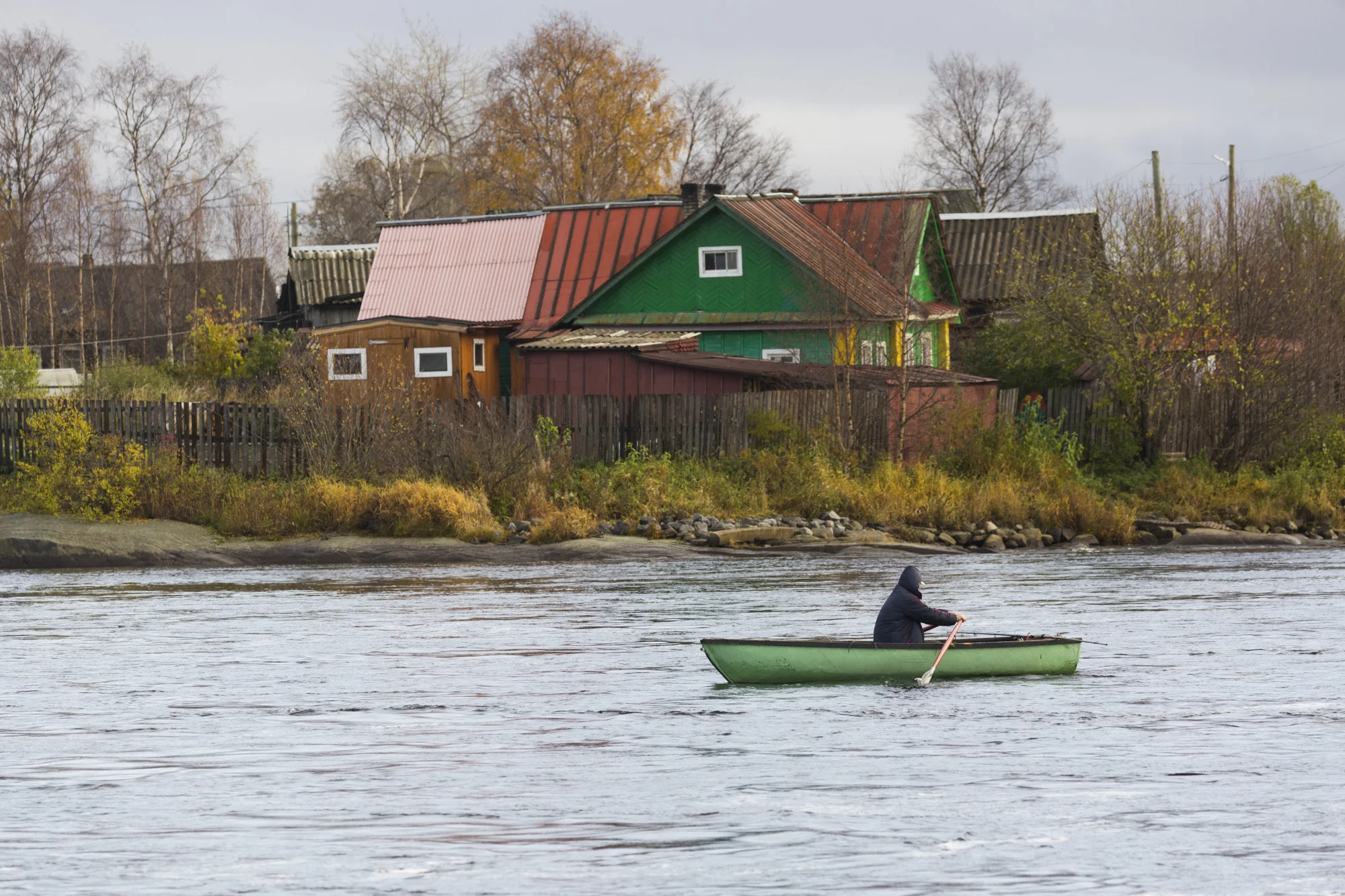
Living in Ashland, Wisconsin, offers stunning views of Lake Superior, but it also introduces some of the most punishing winter weather in the Midwest. Lake effect snow, high-velocity winds, and prolonged freezing temperatures constantly test the structural limits of your home’s exterior. Your roofing system serves as the primary line of defense against these relentless elements.
Understanding how this unique microclimate impacts your roofing materials is essential for early problem detection. This guide analyzes the specific damage caused by lake effect weather and outlines exactly what to look for. By implementing proactive maintenance strategies, you can protect your investment and ensure your property remains a safe haven all winter long.
Why Wisconsin Winters Are Especially Hard on Roofs in Ashland and the Lake Superior Region
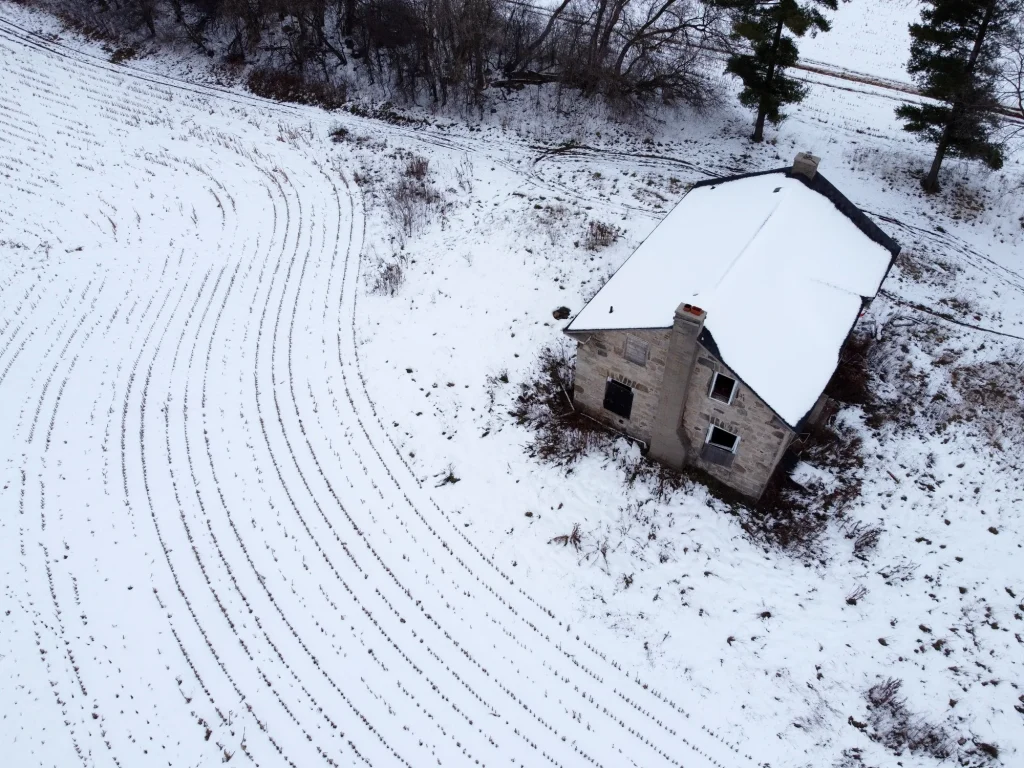
The Great Lakes significantly alter local weather patterns, creating conditions that standard building materials cannot withstand without professional-grade installation and care.
How Lake Effect Weather Creates Unique and Relentless Roofing Challenges in Ashland, WI
Lake effect weather occurs when cold arctic air moves across the relatively warm waters of Lake Superior. This process picks up massive amounts of moisture and deposits it as heavy, wet snow along the shoreline. This continuous bombardment leaves Ashland roofs buried under extreme weight for months, demanding superior load-bearing integrity from your decking and rafters.
Why Midwest Weather Is Especially Hard on Roofs and Why Ashland Homeowners Face Extra Risk
Midwest weather fluctuates wildly, transitioning from humid summer heat to sub-zero winter freezes. These thermal shifts cause shingles, flashing, and wood decking to expand and contract rapidly. Ashland property owners face heightened risk because the high moisture levels from the lake accelerate the weathering process, often leading to premature material fatigue.
How Midwest Weather Shortens Roof Lifespan for Homeowners Along Lake Superior in Ashland
A roofing system rated to last 25 years in a mild climate may only survive 15 years near the Lake Superior coast. The combination of intense UV exposure in the summer and battering ice storms in the winter degrades asphalt shingles much faster than average. Constant exposure to wind-driven moisture strips away protective granules, leaving the underlying mat vulnerable to leaks.
How Winter Storms Damage Roofs in Wisconsin and What Ashland Homeowners Need to Know
Winter storms in Northern Wisconsin bring physical threats that can compromise your home’s structural safety if left unaddressed.
How Snow and Ice Affect Your Roof During a Typical Ashland, Wisconsin Winter Season
Snow often acts like a sponge, trapping moisture against your shingles. As the bottom layer of snow melts due to heat loss and then refreezes, it forms a solid sheet of ice. This ice expands into the microscopic gaps between shingles, slowly prying them apart and breaking the adhesive seals required for a watertight fit.
Heavy Snow Loads Put Pressure on Your Roof Structure and What That Means for Ashland Homes
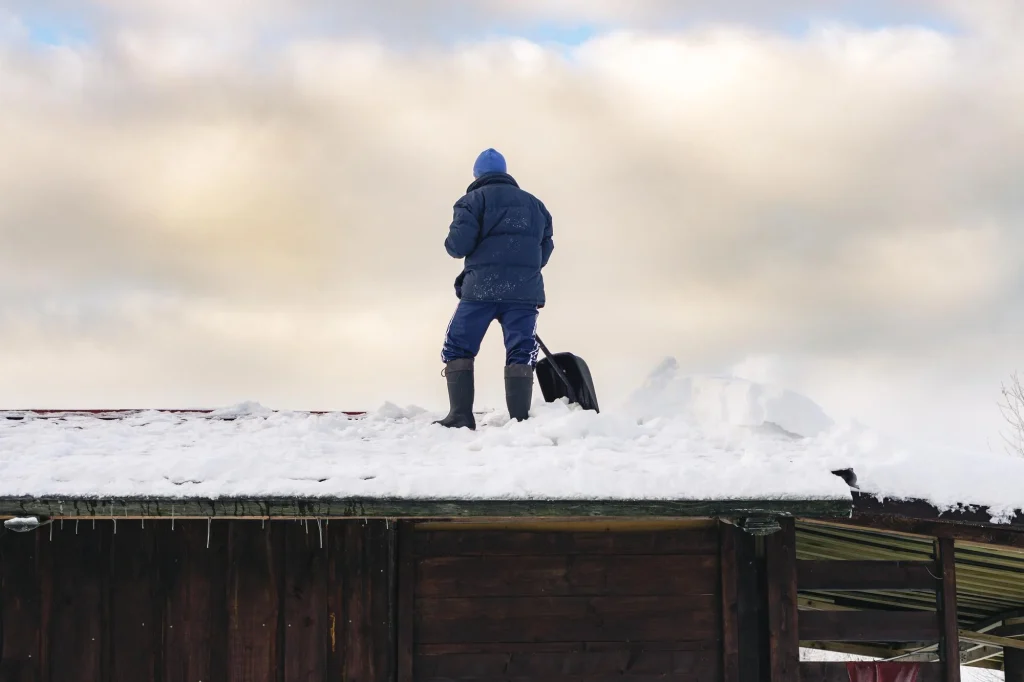
Lake effect snow is characterized by high water content, making it incredibly heavy. When feet of wet snow accumulate, the resulting “snow load” exerts massive downward pressure on your roof deck. Over time, this stress can cause older roofs to sag or, in extreme cases, suffer structural failure under the weight.
Wind-Driven Snow and Ice Can Damage Shingles on Ashland Roofs Before You Even Notice
Gale-force winds coming off Lake Superior drive snow and ice crystals against your roof with abrasive force. These tiny particles act like sandpaper, prematurely scrubbing the protective granules off asphalt shingles. Without these granules, your shingles lose their fire resistance and their ability to shed water effectively.
Winter Wind Damage Goes Unnoticed and Why That Is Especially Dangerous in Lake Effect Zones
High winds can lift shingle tabs just enough to break their factory seals without blowing them off completely. Because the shingles often lay flat again once the wind dies down, the damage remains invisible from the ground. This allow water to blow underneath the shingles during the next storm, leading to hidden wood rot and mold.
Ice Dams and Freeze-Thaw Cycles – One of the Biggest Winter Roofing Threats in Ashland, WI
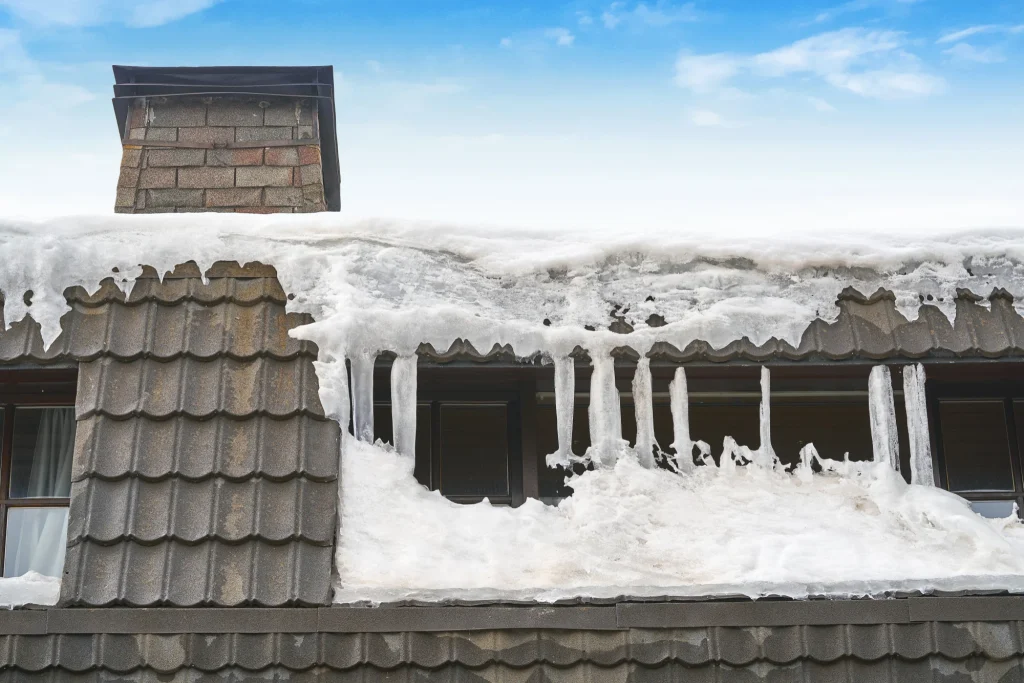
Ice dams are among the most destructive forces a roof will encounter. They require a specific combination of attic heat loss and freezing exterior temperatures to form.
Ice Dams – How Lake Effect Snowfall Makes This One of Ashland’s Most Damaging Roofing Problems
Ice dams form when heat escapes your attic and melts the snow on the upper portions of your roof. This meltwater runs down to the colder eaves and freezes solid. This ridge of ice prevents further drainage, forcing water backward under the shingles and directly into your home’s walls and ceilings.
Freeze-Thaw Cycles and Roofing Materials – How Repeated Temperature Swings Destroy Ashland Roofs
Ashland frequently experiences temperatures that rise above freezing during the day and plummet at night. Water seeps into tiny fissures during the thaw and expands with immense force when it refreezes. This constant “cycling” literally tears roofing membranes and sealants apart over several seasons.
Freeze-Thaw Cycles Loosen Shingles and Flashing on Ashland Homes Every Single Winter
Metal flashing seals the most vulnerable areas around chimneys and vent pipes. The freeze-thaw cycle forces this metal to warp and pull away from the roof deck. Once the flashing seal is broken, water has a clear path into your attic, often bypassing the shingles entirely.
Ice Buildup in Gutters Causes Overflow and Damage That Ashland Homeowners Cannot Afford to Ignore
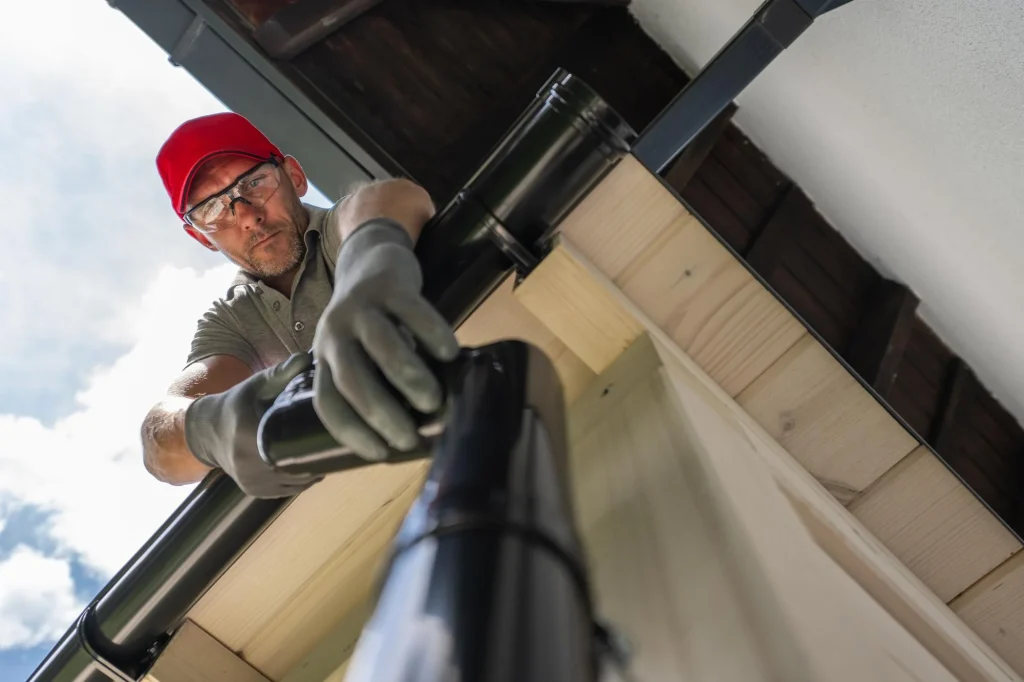
When gutters fill with solid ice, they become extraordinarily heavy. This weight can rip the gutters away from the fascia boards, exposing bare wood to the elements. Furthermore, overflowing ice and water pool around your foundation, increasing the risk of flooded basements and cracked masonry.
The Long-Term Effects of Lake Effect Weather on Your Roof in Ashland, Wisconsin
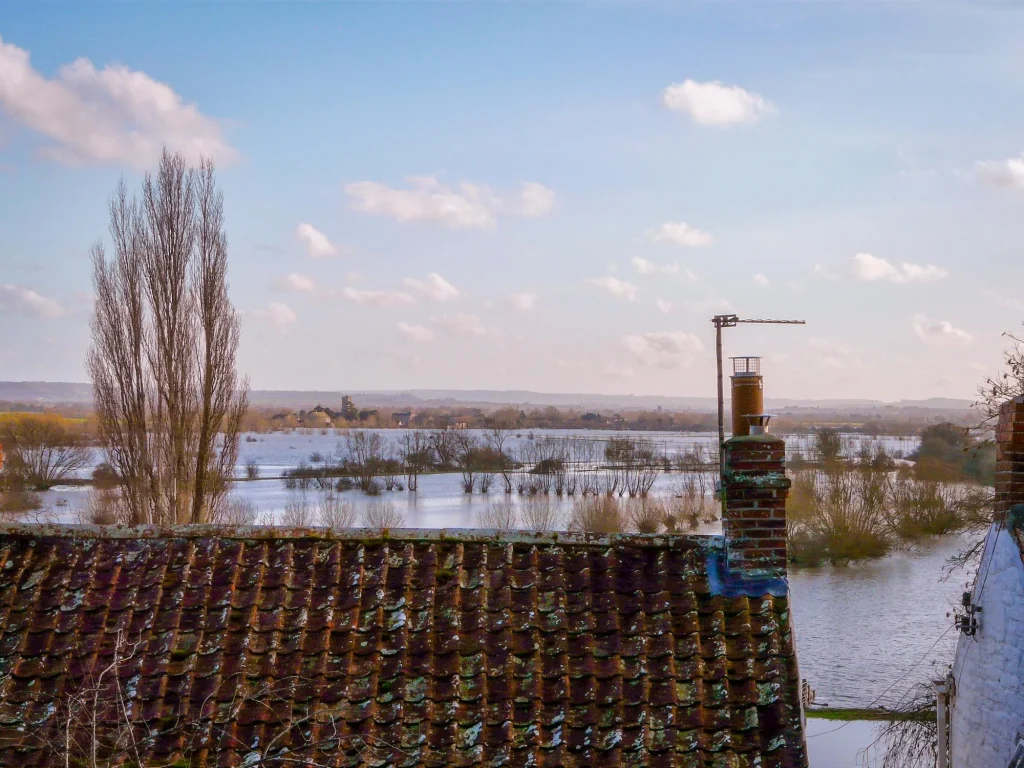
Years of battling the Great Lakes elements leave a lasting mark. Understanding these long-term effects is vital for planning a timely roof replacement.
How Temperature Changes Damage Roofing Materials Over Time in Ashland’s Harsh Climate
Constant thermal shock causes asphalt shingles to lose their essential oils and flexibility. After several harsh winters, the materials turn brittle. This brittleness makes your roof highly susceptible to hail damage and wind uplift during spring and summer thunderstorms.
The Long-Term Effects of Seasonal Temperature Swings on Your Roof in the Ashland, WI Area
Your roof deck consists of wooden boards or plywood that also expand and contract. Over time, this movement can cause the nails holding your shingles to “back out.” These “nail pops” punch holes through the shingles from the underside, creating direct paths for moisture to enter your home.
How Winter Impacts Energy Efficiency and What Your Roof Has to Do With It in Ashland
A compromised roofing system allows cold air to infiltrate your attic space. If your insulation becomes wet from even a minor leak, it loses its R-value (thermal resistance). This forces your heating system to work overtime, causing your monthly energy bills to skyrocket during the peak of winter.
Your Roof Does Not Work Alone – The Exterior System and How Every Component Protects Your Ashland Home
Your roof relies on your gutters, siding, and windows to function as a cohesive unit. If ice dams destroy your gutters, water will inevitably run down and rot your siding. Maintaining your entire exterior system ensures that every component works together to keep your interior dry and energy-efficient.
Warning Signs Your Roof May Have Winter or Lake Effect Damage in Ashland, WI
Early detection of winter damage can save you thousands in structural repairs. Watch for these critical red flags.
1. Warning Signs Your Wisconsin Roof Is Nearing the End of Its Lifespan After Years of Lake Effect Weather
Look for shingles that curl upward at the edges or “buckle” in the middle. If you find thick layers of granules in your downspouts, your roof has lost its primary defense. A roof exhibiting these signs is a prime candidate for failure during the next major weather event.
2. Signs Winter Has Affected Your Roof or Siding and What Ashland Homeowners Should Do Next
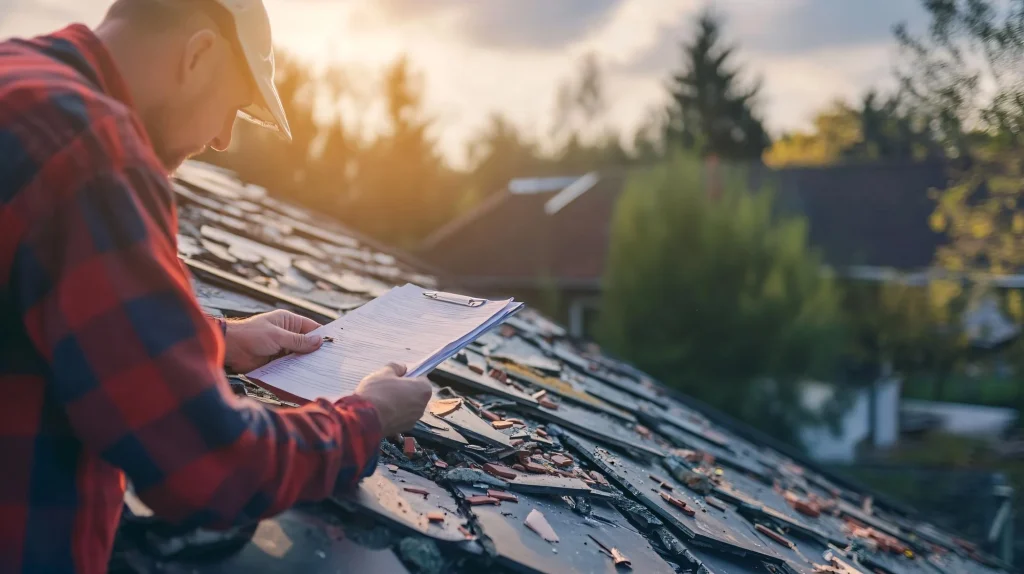
Examine your ceilings and upper walls for yellow or brown water stains. If you notice bubbling paint or peeling wallpaper, water has already breached your exterior. Contact a licensed roofing contractor immediately to track the source before mold growth begins.
3. The Connection Between Roof and Siding Damage and Why Both Need Attention After an Ashland Winter
Wind-driven ice often impacts both your roof and your vinyl or steel siding simultaneously. If moisture gets behind damaged siding, it can travel upward and rot the roof’s starter strips and decking. Professional inspections should always cover both areas following a severe winter season.
4. Don’t Ignore Small Repairs – Why Minor Lake Effect Damage Becomes Major If Left Unaddressed in Ashland
A single missing shingle may seem negligible, but it allows UV rays and rain to strike the underlayment directly. Fixing small issues immediately stops the “domino effect” of water damage, preserving your insulation and rafters from expensive rot.
How Ashland Homeowners Can Protect Their Roof from Lake Effect Weather Long-Term
Proactive care is the best defense against a Northern Wisconsin winter. Take these steps before the first lake effect snow arrives.
A. How to Prepare Your Roof for Winter Before Lake Effect Season Hits Ashland, Wisconsin
Schedule a professional evaluation every autumn to identify loose shingles and compromised flashing. Our experts can seal gaps around chimneys and vents, ensuring your roof is prepared for the crushing weight of snow accumulation.
B. How Ventilation Helps Protect Your Roof from Ice Dams and Moisture Damage in Ashland, WI
Proper attic ventilation balances the temperature between your attic and the outdoors. This keeps the roof deck cold, preventing snow from melting and forming ice dams. It also prevents internal condensation from rotting your rafters and wetting your insulation.
C. Gutters and Downspouts Make Winter Damage Worse When Left Unattended in Ashland, Wisconsin
Clogged gutters trap water that quickly turns to solid ice. Ensure all debris is removed in late fall. Your downspouts should direct meltwater at least six feet away from your foundation to prevent basement flooding and soil erosion.
D. Smart Habits During Winter That Every Ashland Homeowner Should Practice to Protect Their Roof
Using a roof rake to safely remove snow from the lower eaves after a heavy storm can prevent ice dam formation. However, never climb onto a snowy or icy roof yourself. Monitor the size of icicles; thick, heavy ice formations are a clear sign of poor attic insulation or ventilation.
E. Wisconsin Homeowner DIY Roof Preservation Techniques That Work Against Lake Effect Conditions
Keep overhanging tree branches trimmed back to prevent them from scraping shingles during high winds. Regularly check that your attic insulation is even and hasn’t been disturbed by pests. These simple tasks significantly reduce the strain on your roofing materials.
Choosing the Right Roofing Materials and Professional Help for Ashland, WI Lake Effect Weather
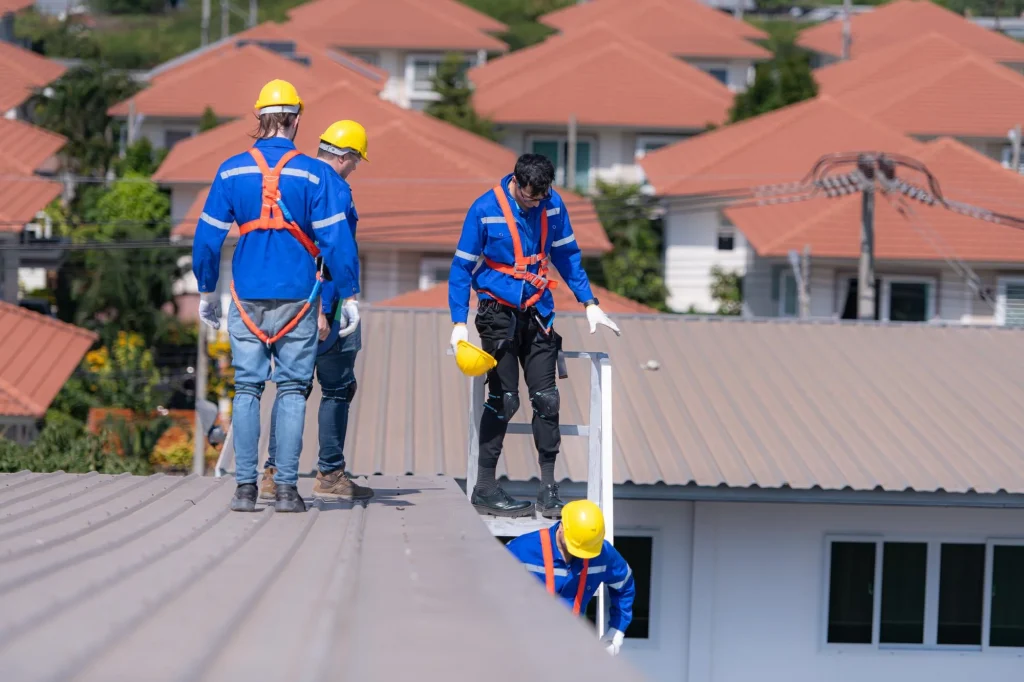
When it is time for a roof replacement, selecting materials specifically engineered for the Northwoods environment is crucial for longevity.
Choosing the Right Roofing Material for Wisconsin and Why It Matters Even More in Ashland
Standard shingles struggle against Lake Superior’s extremes. You need impact-resistant materials designed for high-velocity winds. Metal roofing and steel roofing perform exceptionally well in Ashland because snow slides off the smooth surface easily, reducing weight loads.
Quality Matters – Choosing the Right Asphalt Shingles for Wisconsin Homes in Lake Effect Zones
Architectural shingles from manufacturers like CertainTeed, GAF, and Tamko offer a thicker profile than basic shingles. This extra weight provides superior resistance to wind uplift. These premium shingles also feature enhanced adhesive strips that maintain their bond even in sub-zero temperatures.
Making the Right Replacement Decision – Timing and Materials for Ashland, Wisconsin Roofs
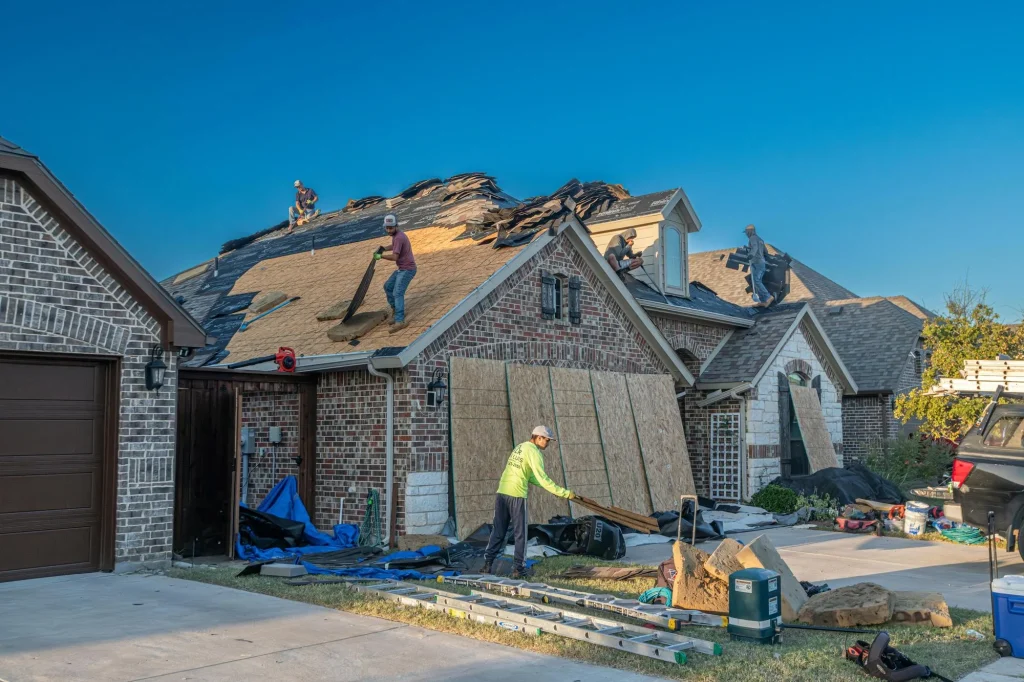
We recommend planning replacements for late spring through early fall. Warmth is required for shingles to thermally seal. Working with Miller’s Roofing and Siding ensures you receive materials specifically rated for the Northern Wisconsin climate, guaranteed by industry-leading warranties.
Repair and Replacement – Choosing the Right Pro and Spec for Your Ashland Lake Effect Roof Damage
Avoid “storm chasers” who lack a local presence. You need a contractor who understands Ashland building codes and the unique physics of lake effect moisture. A local professional will install specialized ice and water shields to provide an extra layer of protection against damming.
Protect Your Ashland Home with Expert Roofing Help from Miller’s Roofing and Siding
Since 1990, Miller’s Roofing and Siding has protected property owners from the harshest weather Lake Superior can deliver.
A. Why Professional Roofing Services Matter More Than Ever for Ashland Homes Facing Lake Effect Weather
Roofing in a lake effect zone requires specialized expertise in ventilation and moisture barriers. We use proven installation techniques—executed by our own employee-based crews—to lock your shingles down against gale-force winds and heavy ice.
B. Professional Maintenance Strategies to Extend Your Roof’s Life in Wisconsin’s Lake Effect Climate
Our maintenance programs include flashing inspections, ventilation checks, and resealing of high-risk areas. This regular upkeep can add years to your roof’s lifespan and ensure your EPA Lead-Safe Certified home remains secure.
C. When to Call a Roofing Professional After Lake Effect Weather Damages Your Ashland, WI Roof
If you notice sagging rooflines, massive ice dams, or interior stains, call us immediately. We provide emergency roofing services and rapid-response repairs to secure your home and prevent further water intrusion.
D. Schedule Your Free Roof Inspection Today with Miller’s Roofing and Siding in Ashland, Wisconsin
Don’t wait for the next lake effect storm to test your roof. Contact Miller’s Roofing and Siding today to schedule a comprehensive, free roof inspection. We provide honest assessments and reliable solutions to keep your family safe and dry all year long.