Your commercial roof is a silent guardian, protecting your assets, employees, and operations from the elements. But like any major component of your building, it has a finite lifespan. When persistent leaks and frequent repairs become the norm, you’re no longer just patching a problem—you’re delaying an inevitable solution. A full commercial roof replacement is a significant investment, but it’s one that offers unparalleled long-term protection, energy savings, and peace of mind.
This comprehensive guide covers the entire roof replacement process, from recognizing the warning signs to understanding the costs and benefits of installing a new, high-performance roofing system.
Understanding Commercial Roof Replacement
1. What Commercial Roof Replacement Involves
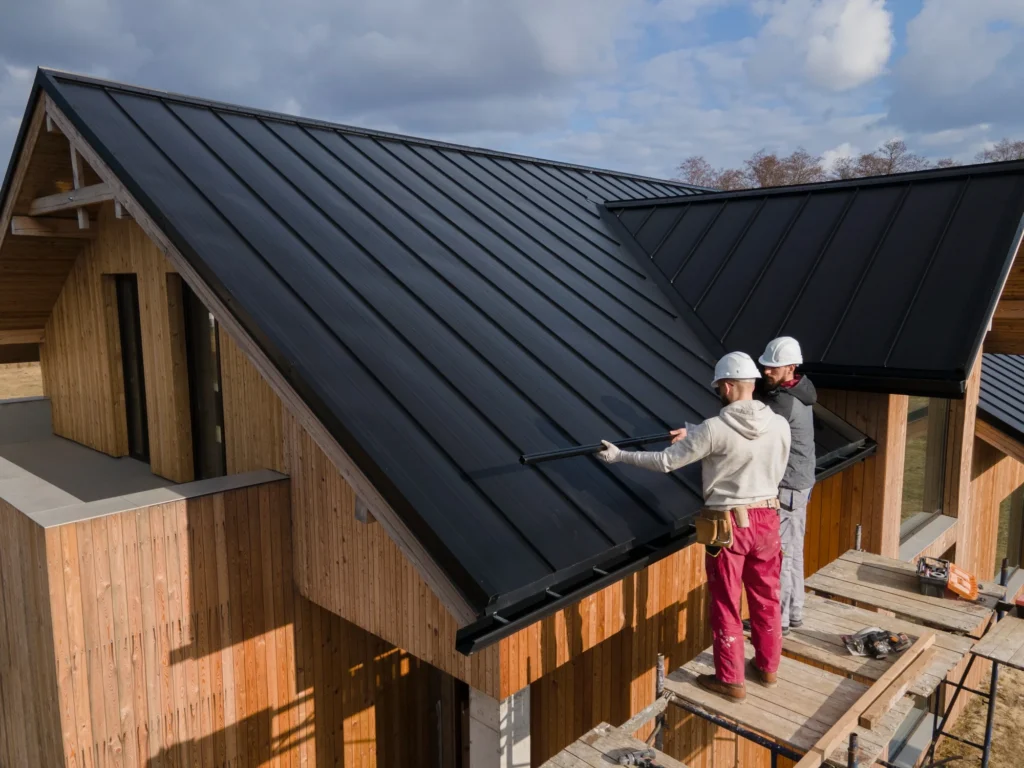
A commercial roof replacement is a complete overhaul of your building’s roofing system. The process involves the complete removal of the old roof membrane and insulation down to the structural deck. After a thorough inspection of the deck for any damage, a brand-new roofing system—including insulation, underlayment, and the final membrane—is professionally installed.
2. Commercial vs. Residential Roofing Systems
Commercial roofing systems are engineered to handle challenges that residential roofs are not. They are typically flat or low-sloped, designed to cover vast expanses and support heavy equipment like HVAC units. The materials used, such as TPO, EPDM, and metal, require specialized installation techniques to manage water drainage and withstand constant exposure over a large surface area.
3. When Repair Is No Longer Enough
There comes a point where the cycle of repairing an old roof becomes more expensive and less effective than replacing it. If your roof is experiencing widespread issues, has surpassed its expected service life, or if moisture has compromised the underlying insulation, repairs are merely a temporary fix for a failing system.
Signs It’s Time to Replace Your Commercial Roof
Common Warning Signs of Roof Failure
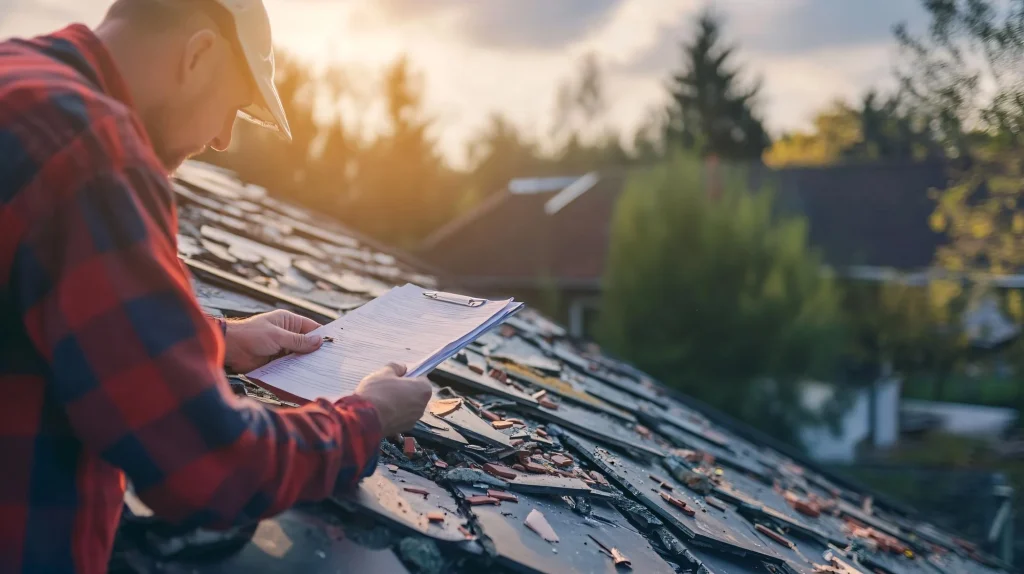
Look for visible indicators of widespread failure. These can include extensive blistering, cracking, or splitting in the roof membrane, large areas of ponding water that don’t evaporate after 48 hours, and significant granule loss on modified bitumen or shingle roofs.
Active Roof Leaks and Ongoing Water Damage
A single leak can often be repaired, but multiple leaks in different areas are a clear sign that the entire system’s integrity is compromised. Stains on ceiling tiles, musty odors indicating mold growth, and visible drips are urgent signs that your roof is failing to protect your building.
Aging Roof Systems and Structural Concerns
If your roof is approaching or has exceeded its manufacturer-specified lifespan, it’s time to plan for replacement. An old, water-logged roof can add immense weight to your building’s structure, posing a serious safety risk and potentially causing structural damage.
How Long a Commercial Roof Typically Lasts
The lifespan of a commercial roof varies by material. EPDM and TPO systems often last 20 to 30 years, while a metal roof can last 40 years or more. However, factors like climate, installation quality, and maintenance frequency can significantly impact these timelines.
Benefits of Replacing Your Commercial Roof
1.Improved Protection and Building Performance
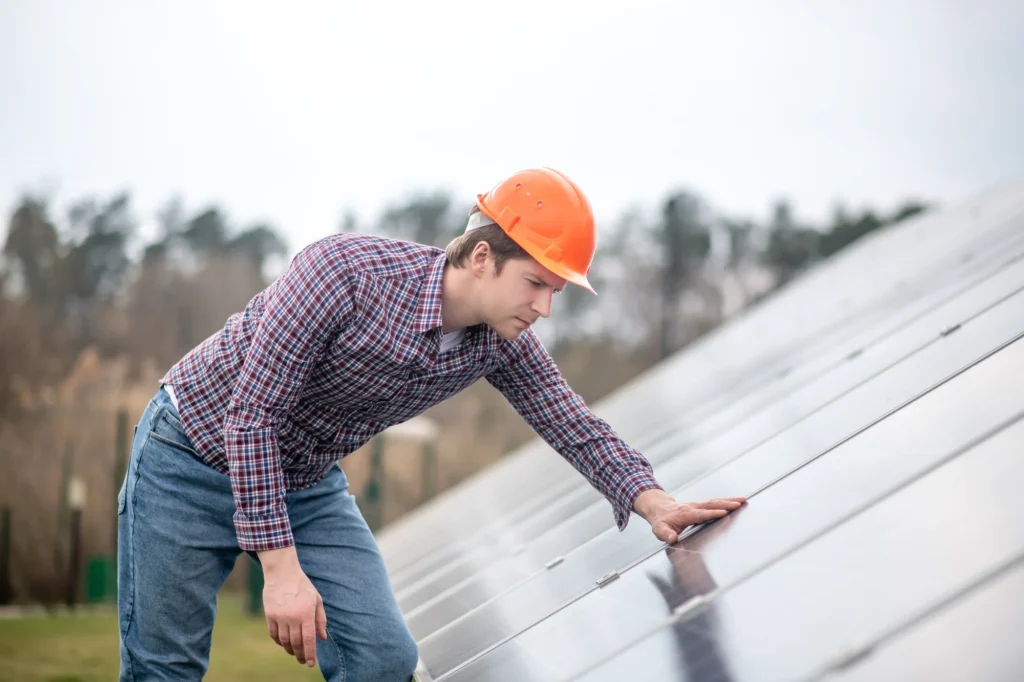
A new roof provides superior, watertight protection against the elements. It eliminates the constant worry of leaks and water damage, ensuring your inventory, equipment, and operations remain safe and dry.
2. Increased Energy Efficiency
Modern roofing materials, particularly “cool roof” options like white TPO and PVC, are highly reflective. They reflect solar heat instead of absorbing it, which can dramatically lower the temperature inside your building and reduce your reliance on air conditioning, leading to significant energy savings.
3. Reduced Maintenance and Repair Costs
A new roof effectively resets the clock on your maintenance needs. You can put an end to the cycle of costly emergency repairs and unpredictable expenses, replacing them with a predictable, low-cost maintenance schedule for years to come.
4. Long-Term Value and Peace of Mind
A roof replacement is an investment in your property’s value and your business’s continuity. It comes with robust manufacturer warranties that cover both materials and labor, providing a long-term guarantee and the ultimate peace of mind.
Commercial Roof Replacement vs. Re-Roofing
Can You Re-Roof or Is Full Replacement Required?
Re-roofing, or installing a new membrane over the existing one, is sometimes an option if the current roof is in relatively good condition and building codes allow for it (most codes limit roofs to two layers). However, if there is wet insulation or damage to the underlying structure, a complete tear-off and replacement is required.
Roof Coating vs. Commercial Roof Replacement
Roof coatings are liquid-applied membranes that can restore and extend the life of a moderately aged roof. While a great solution for delaying replacement, coatings are not a permanent fix. They cannot solve underlying structural issues or widespread insulation damage the way a full replacement can.
Choosing the Right Solution for Your Building
An honest, professional roofing contractor will inspect your roof’s condition, including the insulation and deck, to help you make an informed decision. The right choice depends on the roof’s age, the extent of the damage, and your long-term budget.
Commercial Roofing Materials and System Options
A. Roof Replacement Material Options
The market offers a wide variety of materials to suit different needs. Your choice will impact the roof’s durability, energy efficiency, and cost. Common options include single-ply membranes, metal panels, and built-up roofing systems.
B. Common Commercial Roofing Materials Explained
- TPO (Thermoplastic Olefin): A popular, energy-efficient, and cost-effective single-ply membrane known for its durability and heat-welded seams.
- EPDM (Ethylene Propylene Diene Monomer): A highly durable and flexible synthetic rubber membrane that performs exceptionally well in cold climates.
- PVC (Polyvinyl Chloride): A premium single-ply membrane that is highly resistant to chemicals, grease, and punctures, making it ideal for restaurants and industrial facilities.
- Metal Roofing: Offers exceptional longevity, superior durability, and a modern aesthetic, though it comes with a higher upfront cost.
C. Choosing the Right Roof System for Your Building Type
The ideal system depends on your building’s function. A warehouse might prioritize the cost-effectiveness of EPDM, while a retail center might choose white TPO for its energy-saving reflective properties.
- Factors Such as Climate, Usage, and Budget
Your local climate (e.g., heavy snow loads in Minnesota), the expected foot traffic on the roof, and your overall budget are critical factors. A professional will help you weigh these variables to select the best long-term investment.
The Commercial Roof Replacement Process
Phase I – Inspection, Planning, and Estimating
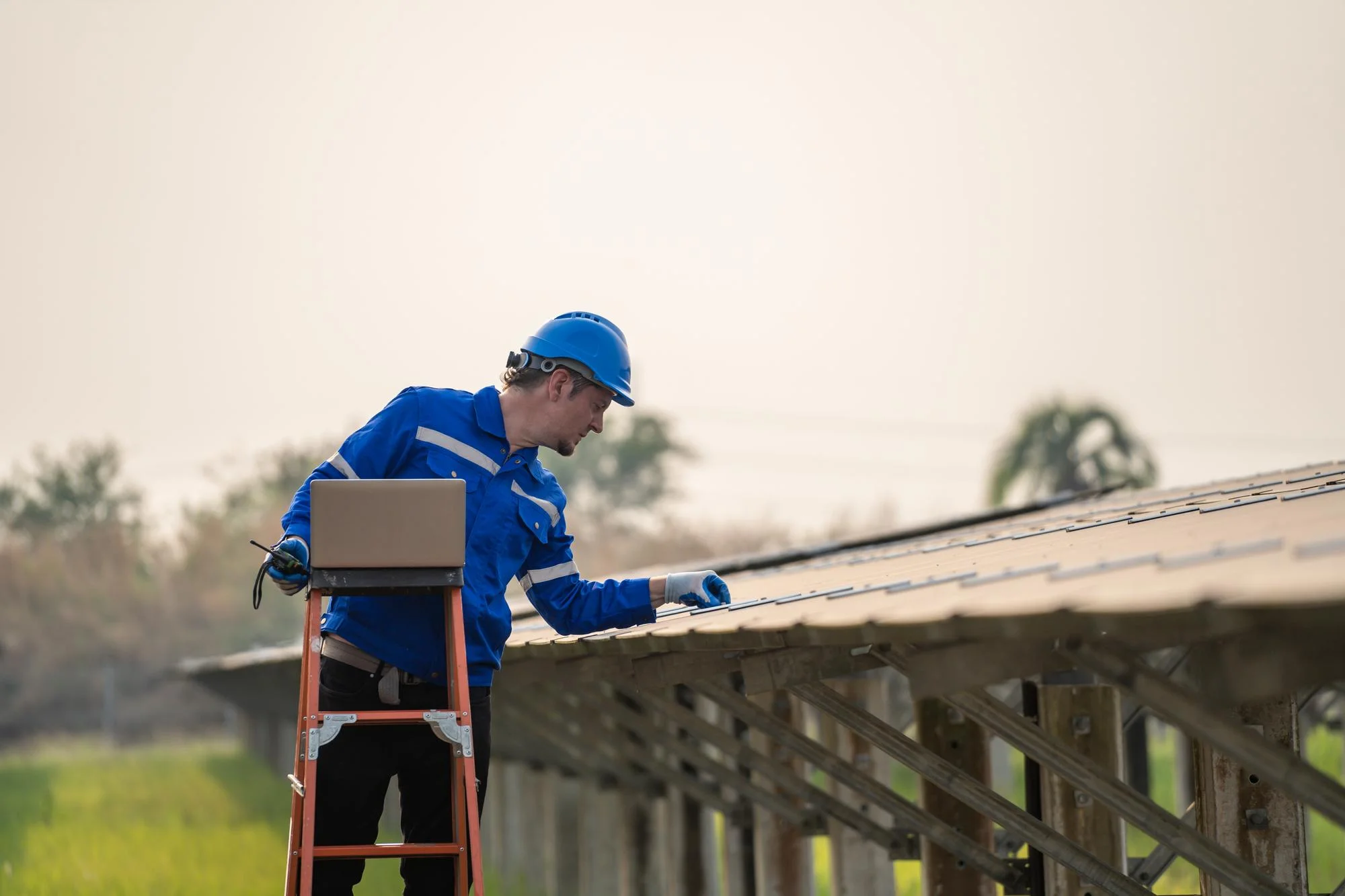
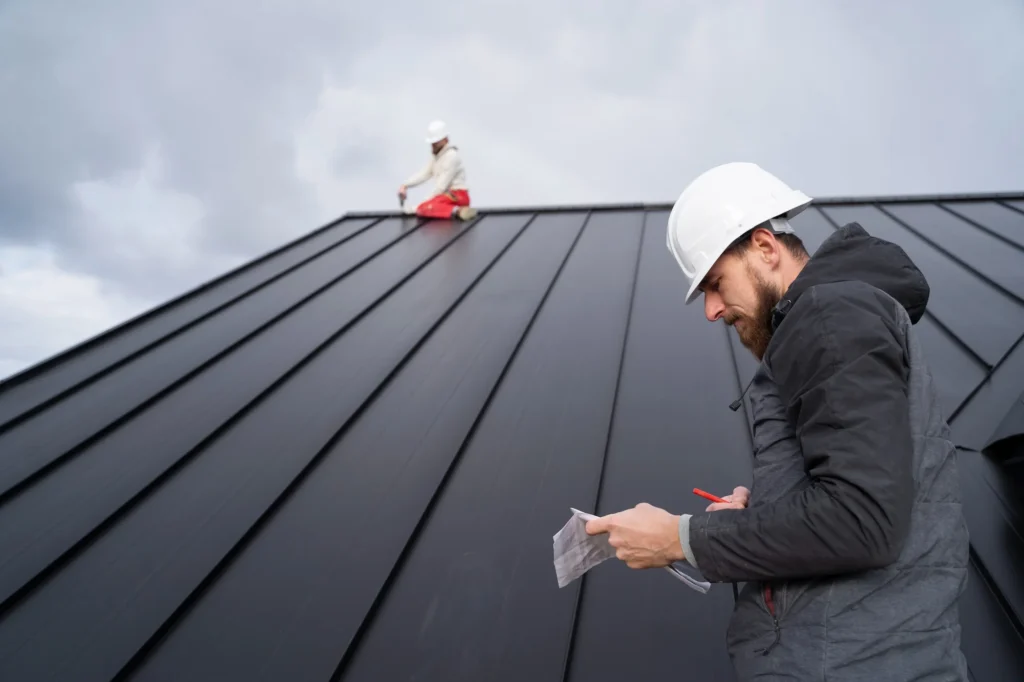
The process begins with a thorough inspection of your existing roof. A detailed plan is then created, and a transparent estimate is provided, outlining the scope of work, materials, and timeline.
Phase II – Pre-Production and Preparation
Materials are ordered, and the site is prepared. This includes setting up safety measures, protecting the building and surrounding landscape, and coordinating logistics to minimize disruption to your business.
Tear-Off and Deck Assessment
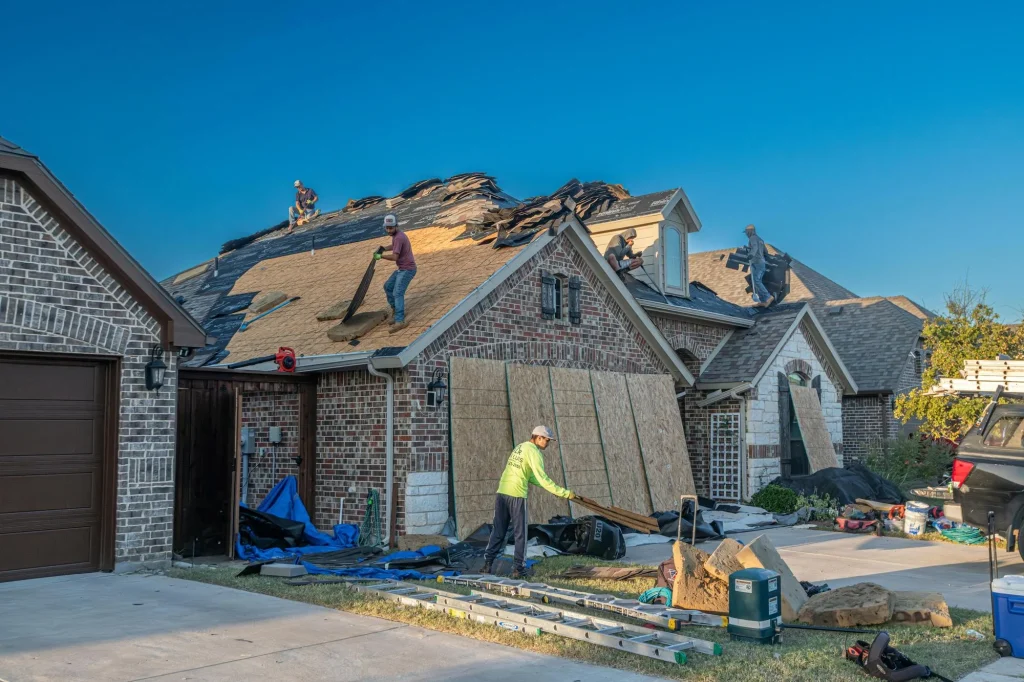
The old roofing materials are systematically torn off and disposed of. This exposes the structural deck, which is then carefully inspected for any rot, rust, or damage that needs to be repaired before the new system is installed.
Installation of the New Roofing System
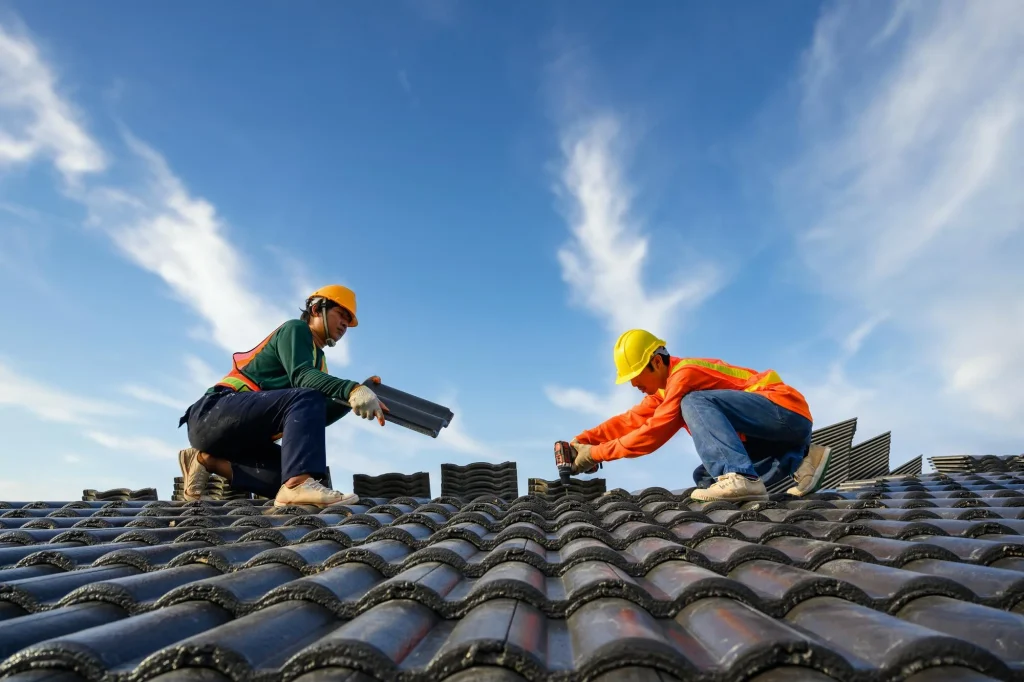
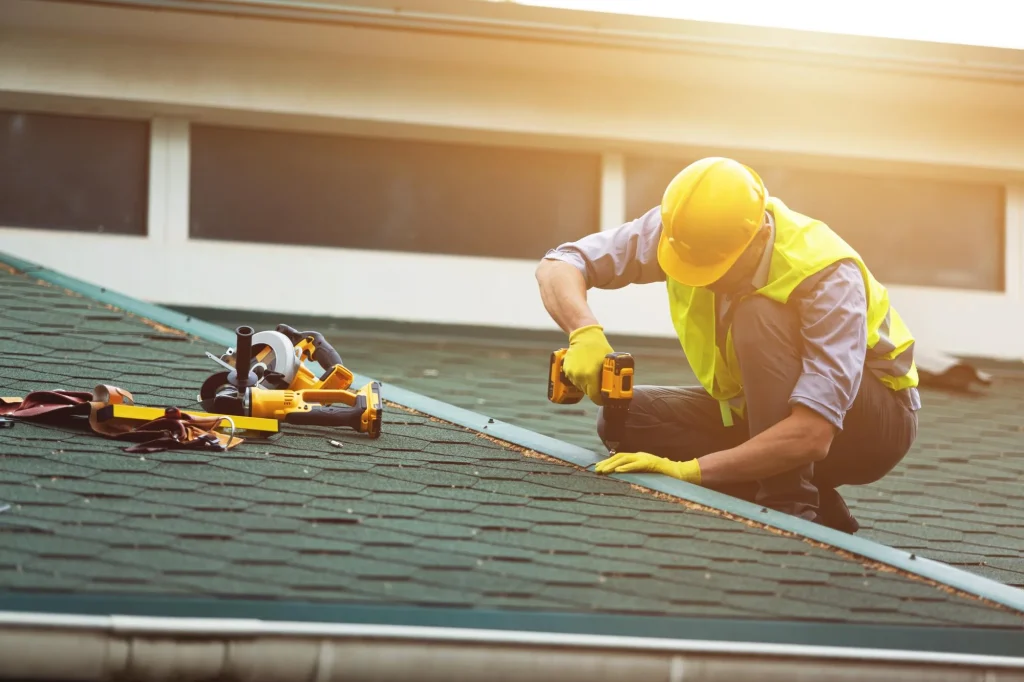
This is where skilled craftsmanship is key. The new insulation, underlayment, and roof membrane are installed according to precise manufacturer specifications to ensure a watertight and durable final product.
Phase V – Post-Installation Inspection and Clean-Up
A final walkthrough is conducted to ensure every detail meets quality standards. The job site is thoroughly cleaned of all debris, leaving your property in pristine condition.
How Long It Takes to Replace a Commercial Roof
The timeline depends on the roof’s size, complexity, and weather conditions. A small commercial roof might take a few days, while a large industrial facility could take several weeks. Your contractor will provide a realistic schedule upfront.
Commercial Roof Replacement FAQs
1. How Will I Know If It’s Time to Replace My Commercial Roof?
Widespread leaks, a roof that has exceeded its service life, extensive visible damage (blistering, cracking), and high, frequent repair bills are all strong indicators that it’s time for a replacement.
2. Can My Business Operate During Roof Replacement?
Yes. Professional commercial roofers are experts at working around your business operations. They will coordinate with you to minimize noise and disruption, often working in sections to ensure your business can continue to function.
3. What Kind of Warranty Comes With a Roof Replacement?
A full replacement typically comes with two warranties: one from the contractor on workmanship and a separate, more extensive warranty from the material manufacturer that covers defects in the roofing materials for up to 30 years.
Why Choose Miller’s Roofing and Siding for Commercial Roof Replacement
A. Serving Commercial Property Owners Since 1990
With over three decades of experience, we have a proven track record of delivering high-quality roofing solutions for businesses across Minnesota and Northern Wisconsin.
B. Employee-Based Crews — No Subcontractors
We ensure consistent quality and accountability on every job by using our own highly trained, in-house employee crews. We never use subcontractors.
C. Quality Materials and Expert Workmanship
We partner with top manufacturers like GAF and CertainTeed and install their products with expert workmanship, ensuring your new roof performs as designed for decades.
D. Clear Communication and Transparent Pricing
You will receive a detailed, honest estimate and be kept informed throughout the entire project. We pride ourselves on transparent communication and no hidden costs.
E. Strong Replacement Warranties for Peace of Mind
As certified installers, we can offer the industry’s best manufacturer warranties, giving you long-term protection and peace of mind for your significant investment.
F. EPA Lead-Safe Certified Practices
Our team adheres to strict EPA guidelines for safety and environmental responsibility, ensuring your project is handled professionally and safely.
Commercial Roof Replacement Services by Miller’s Roofing and Siding
Complete Commercial Roof Replacement
We manage the entire process, from tear-off to final inspection, delivering a flawless new roof with minimal disruption.
Flat and Low-Slope Roofing Solutions
We specialize in installing high-performance TPO, EPDM, and other systems designed for the unique challenges of flat and low-slope roofs.
Emergency Roofing Services
In the event of a sudden failure, our team can respond quickly to secure your property and prevent further damage.
Ongoing Maintenance and Roof Evaluations
After your replacement, we can provide ongoing maintenance plans to protect your new investment and maximize its lifespan.
Schedule Your Commercial Roof Replacement Consultation

Get a Professional Roof Inspection
Start the process with a comprehensive, no-obligation roof inspection from our experienced team.
Protect Your Building and Investment
A new roof is the ultimate protection for your property. Secure your business’s future and invest with confidence.
Contact Miller’s Roofing and Siding
Ready to discuss your roof replacement project? Contact our team today.
[Contact Us] | [View Our Services] | [Learn More]