Introduction
Why metal roof leaks need immediate attention is a matter of protecting your entire home structure. Water is the enemy of building materials. Even a minor drip can silently rot wood decking, soak insulation, and breed mold long before you see a stain on your ceiling. Acting quickly minimizes damage and keeps repair costs manageable.
The risks of ignoring small leaks are substantial. What starts as a pinhole can expand due to thermal movement or rust, turning a manageable $200 repair into a $20,000 structural renovation. Neglect can lead to compromised structural integrity, electrical hazards, and significant decreases in your home’s energy efficiency.
Why Metal Roofs Leak
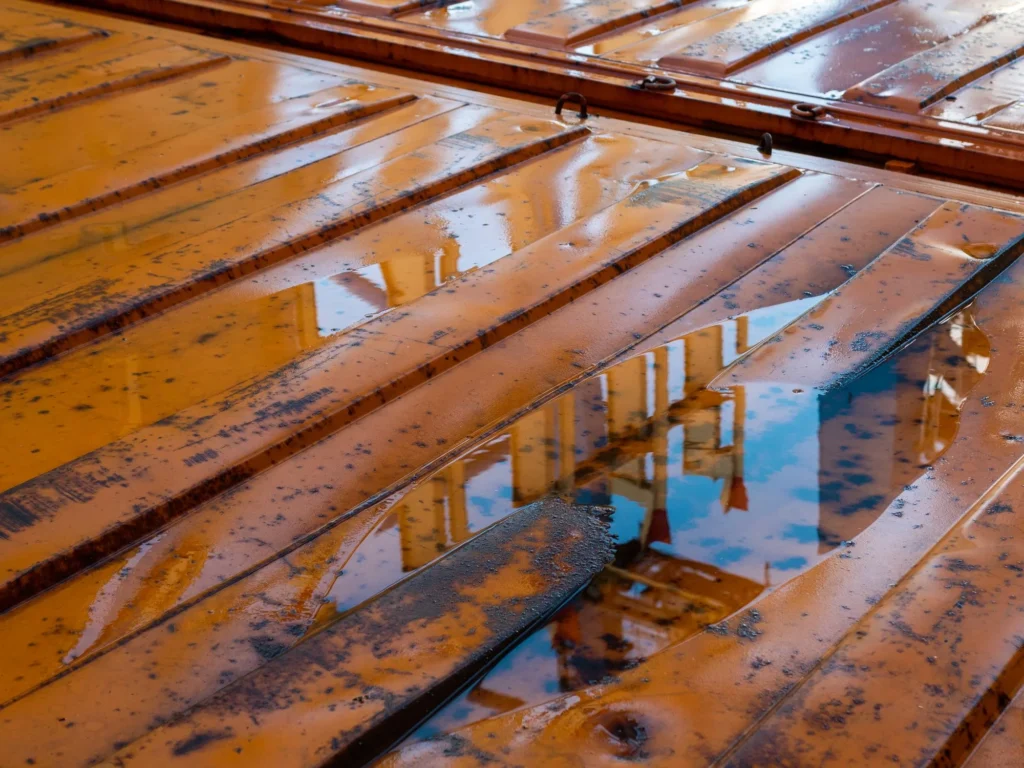
Age-related wear is unavoidable. While metal roofs are famous for longevity, they are not immortal. Over decades, sealants dry out, washers on screws degrade, and the metal itself undergoes thousands of expansion and contraction cycles that can loosen fittings.
Installation and material issues are often the culprit on newer roofs. If panels were not aligned correctly, fasteners were over-tightened, or dissimilar metals were used together (causing galvanic corrosion), leaks can develop prematurely. Poor workmanship is a leading cause of failure in metal roofing systems.
Common Causes of Metal Roof Leaks
- Faulty seams and overlaps occur when the sections of metal roofing do not seal tightly against each other. Capillary action can actually draw water uphill into these gaps if they aren’t properly secured or sealed.
- Loose or deteriorated fasteners are perhaps the most frequent issue. The rubber washers on exposed fastener systems eventually crack and fail, leaving a gap for water to enter.
- Corrosion and rust eat away at the metal, creating holes. This is common in areas where water pools or where protective coatings have been scratched.
- Improper flashing around chimneys, vents, and valleys is a major weak point. If flashing isn’t integrated correctly with the panels, water will bypass the metal entirely.
- Weather and impact damage from hail or falling branches can puncture the metal or dent seams, breaking the watertight seal.
Where Do Metal Roofs Usually Leak?
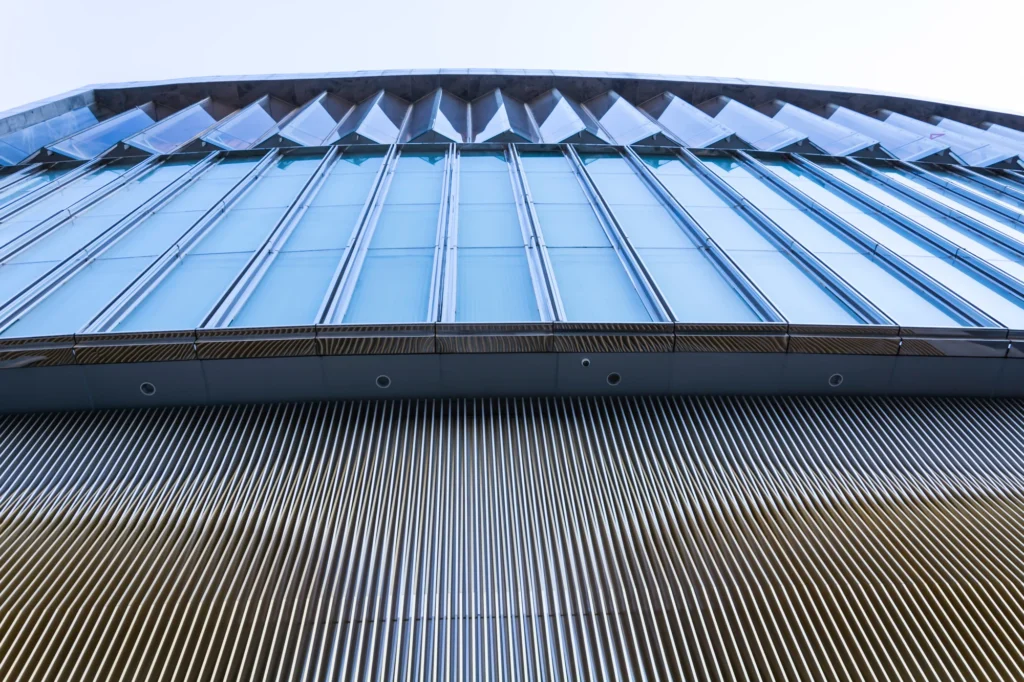
- Panel seams and joints are vulnerable because they rely on sealants or mechanical locking to stay watertight. As the roof expands and contracts with temperature changes, these seams can pull apart.
- Roof penetrations are the usual suspects. Any pipe, vent, skylight, or chimney that cuts through the roof creates a potential entry point for water if the flashing and boots aren’t in perfect condition.
- Fasteners and roof edges also experience high stress. Wind uplift can loosen edge metal, and as mentioned, screw holes are thousands of tiny potential leaks waiting to happen.
How to Identify a Metal Roof Leak
- Interior signs such as stains and drips are your first clue. Look for discolored rings on ceilings, peeling paint on walls, or damp spots in the attic insulation. Note that water travels; the stain on the ceiling might be ten feet away from the actual hole in the roof.
- Exterior indicators on the roof surface require a closer look. You might see rusted screws, gaps in flashing, raised panels, or missing sealant around vents. Algae or moss growth can also indicate areas where moisture is trapped.
How to Inspect a Metal Roof for Leaks
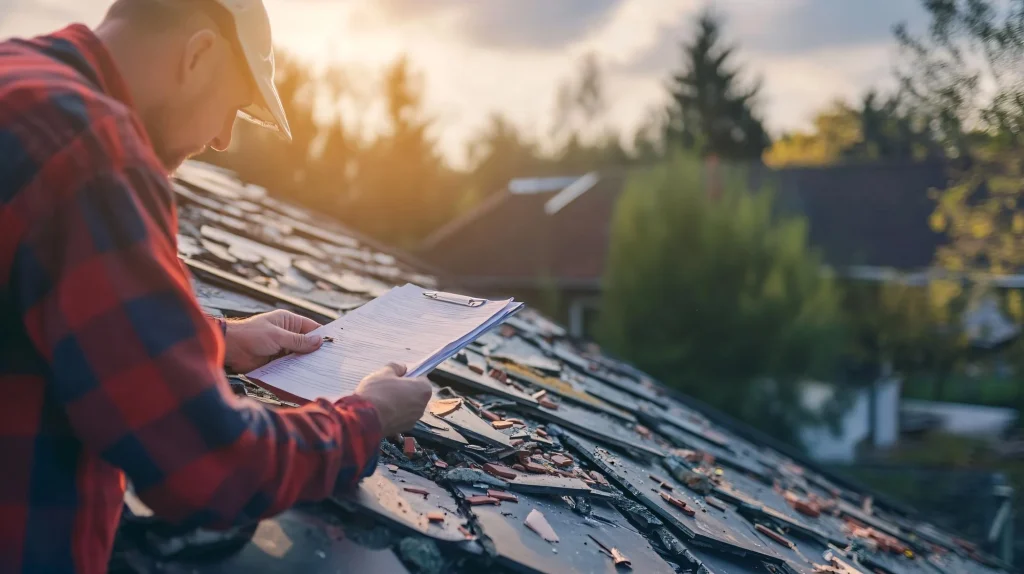
- Safe inspection practices are paramount. Metal roofs are slippery, especially when wet or dusty. Always use a stable ladder, wear non-slip shoes, and never walk on a steep roof without proper safety harness equipment. If in doubt, stay on the ladder or use binoculars from the ground.
- What to look for during checks includes inspecting the “boots” around vent pipes for cracks. Check that ridge caps are tight. Look for any screws that seem to be backing out or missing. Examine valleys to ensure they aren’t clogged with debris, which can force water under the shingles.
How to Locate a Metal Roof Leak
- Tracing water entry points involves logic and patience. Inside the attic, look for daylight showing through the roof boards. Look for water trails on trusses or rafters that lead uphill to the source.
- Testing methods for pinpointing leaks often involve a garden hose. One person stays inside while another sprays water on specific sections of the roof, starting low and working upward. When the person inside sees water, you’ve isolated the leak area.
Repair Options for Metal Roof Leaks
Overview of available repair solutions ranges from simple spot treatments to comprehensive restoration. You can apply sealants to small gaps, replace individual screws, patch holes with new metal, or apply a liquid membrane over the entire surface. The right choice depends on the severity of the damage and your budget.
How to Repair Metal Roof Leaks
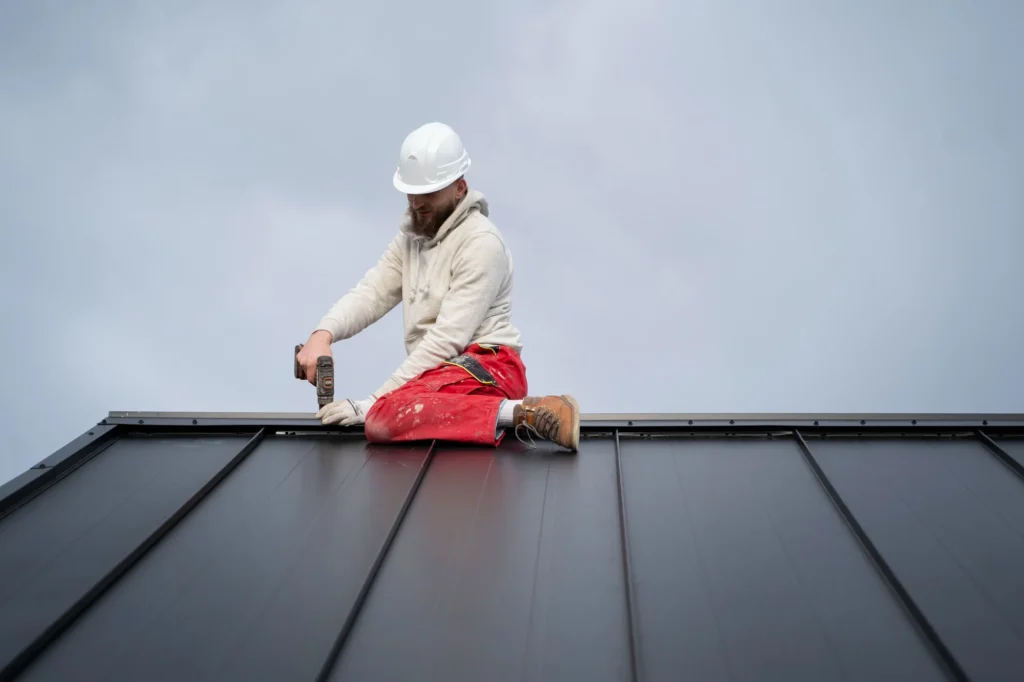
- Temporary vs permanent fixes must be distinguished. A dab of caulking or a piece of waterproof tape might stop a leak during a storm, but these are temporary measures. Permanent fixes involve replacing failing components or using industrial-grade repair mastics and fabrics.
- DIY considerations come down to skill and safety. Replacing a few screws on a low-slope shed roof is a manageable DIY project. Troubleshooting a complex leak around a chimney on a steep two-story home is best left to professionals to ensure it’s done safely and correctly.
How to Repair a Metal Roof Leak in 6 Important Steps
- Surface preparation: Clean the area thoroughly. Remove rust, dirt, algae, and old loose sealant. The repair material won’t stick to a dirty surface.
- Leak identification: Confirm exactly where the water is entering (e.g., a specific screw hole or seam).
- Repair application: Apply the chosen repair material (sealant, patch, or tape).
- Sealing and finishing: Ensure the edges of the patch are smoothed down to prevent water from catching on them.
- Fastening: If replacing a screw, use a larger diameter screw to bite into fresh wood.
- Testing: Once cured, gently test with water to ensure the leak is gone.
Ways to Fix a Metal Roof Leak
- Sealing seams and penetrations often involves using a specialized urethane or silicone roof sealant. This is applied into the gaps or over the seam to create a flexible, watertight barrier.
- Replacing damaged components is necessary when the metal itself is compromised. If a panel is rusted through or bent, no amount of caulk will save it. You must remove the panel and install a matching replacement.
The Best Ways to Seal a Leaking Metal Roof
- Sealants and coatings designed specifically for metal are crucial. Do not use standard tar or asphalt-based products, as they can chemically react with metal and fail prematurely. Look for polyether or silicone-based sealants.
- Proper sealing techniques involve “tooling” the sealant to ensure adhesion. Don’t just squeeze it out of the tube; press it into the joint. For larger gaps, use a reinforcing mesh fabric embedded between layers of sealant (three-coursing) for strength.
Repair Option 1: Replace All Screws and Fasteners
- When fastener replacement is effective is typically when the roof panels are in good shape, but the rubber washers on the screws have dry-rotted. This is a common maintenance task around the 15-20 year mark. Replacing thousands of screws with new, slightly larger ones can extend the roof’s life by another decade.
Repair Option 2: Remove and Replace the Entire Metal Roof
- Situations requiring full replacement arise when the metal is extensively rusted, the finish is failing across the board, or storm damage is widespread. If structural decking is rotting in multiple places, stripping the roof down to the rafters is the only way to ensure the home is safe.
Repair Option 3: Install a Roof Coating System Over the Existing Metal Roof
- Benefits and limitations of fluid-applied restoration systems are significant. A coating system creates a seamless, monolithic membrane over the existing roof. It stops leaks, reflects UV rays, and costs about half as much as a replacement. However, it requires the existing roof to be structurally sound and free of major rust.
Repair Option 4: Install Spray Foam Over the Existing Metal Roof
- Waterproofing and insulation advantages of spray polyurethane foam (SPF) are unique. The foam is sprayed onto the metal, expanding to seal every crack and crevice while adding a high R-value insulation layer. This stops leaks and drastically lowers energy bills. It does, however, change the look of the roof significantly.
Professional Solutions for Metal Roof Leaks
- When specialized repairs are needed, pros have access to materials you don’t. They use two-part epoxies, liquid-applied membrane systems with fabric reinforcement, and custom-bent metal flashings that perfectly match your roof profile. They also have the diagnostic tools to find “phantom” leaks that defy simple hose testing.
When to Call a Roofing Professional
- Safety concerns should be your primary trigger. If you are uncomfortable with heights or lack the proper gear, call a pro.
- Extensive or recurring leaks also signal the need for expert help. If you’ve patched it twice and it still leaks, or if water is coming in at multiple points, the problem is likely systemic and requires a professional eye to diagnose the root cause.
Tips to Prevent Metal Roof Leaks
1. Routine maintenance involves keeping the roof clean. Remove leaves and pine needles that trap moisture against the metal.
2. Preventive inspections should happen twice a year and after major storms. Catching a loose flashing or a missing screw early prevents the leak from ever starting.
Common Metal Roof Repair Myths
- Clarifying misconceptions is important. Myth: “Tar fixes everything.” Fact: Tar dries out, cracks, and can damage metal finishes. Myth: “Metal roofs are maintenance-free.” Fact: They are low maintenance, not no maintenance. Myth: “You can just caulk over the old caulk.” Fact: New sealant rarely sticks to old, dirty sealant; you must clean the surface first.
Conclusion
Choosing the right repair option requires balancing the immediate cost against long-term value. A tube of sealant is cheap, but a roof coating might offer a 10-year warranty. Protecting your roof long-term means addressing leaks immediately, performing regular maintenance, and knowing when a DIY fix isn’t enough. Your metal roof is a premium investment; treating it with care ensures it protects your home for a lifetime.