What Is Commercial Roofing: A Complete Guide
When it comes to safeguarding a commercial property, the roof is one of the most critical components. A well-installed, maintained, and durable commercial roof not only protects the building but also enhances its overall efficiency and value. Whether you’re a business owner, property manager, contractor, or simply interested in learning more about roofing systems, understanding commercial roofing is essential.
This complete guide covers the definition, key differences from residential roofing, popular materials, roofing systems, maintenance tips, and more. Plus, we’ll introduce the tailored solutions offered by Miller’s Roofing & Siding, a trusted name in the roofing industry.
What Is Commercial Roofing? Definition and Scope
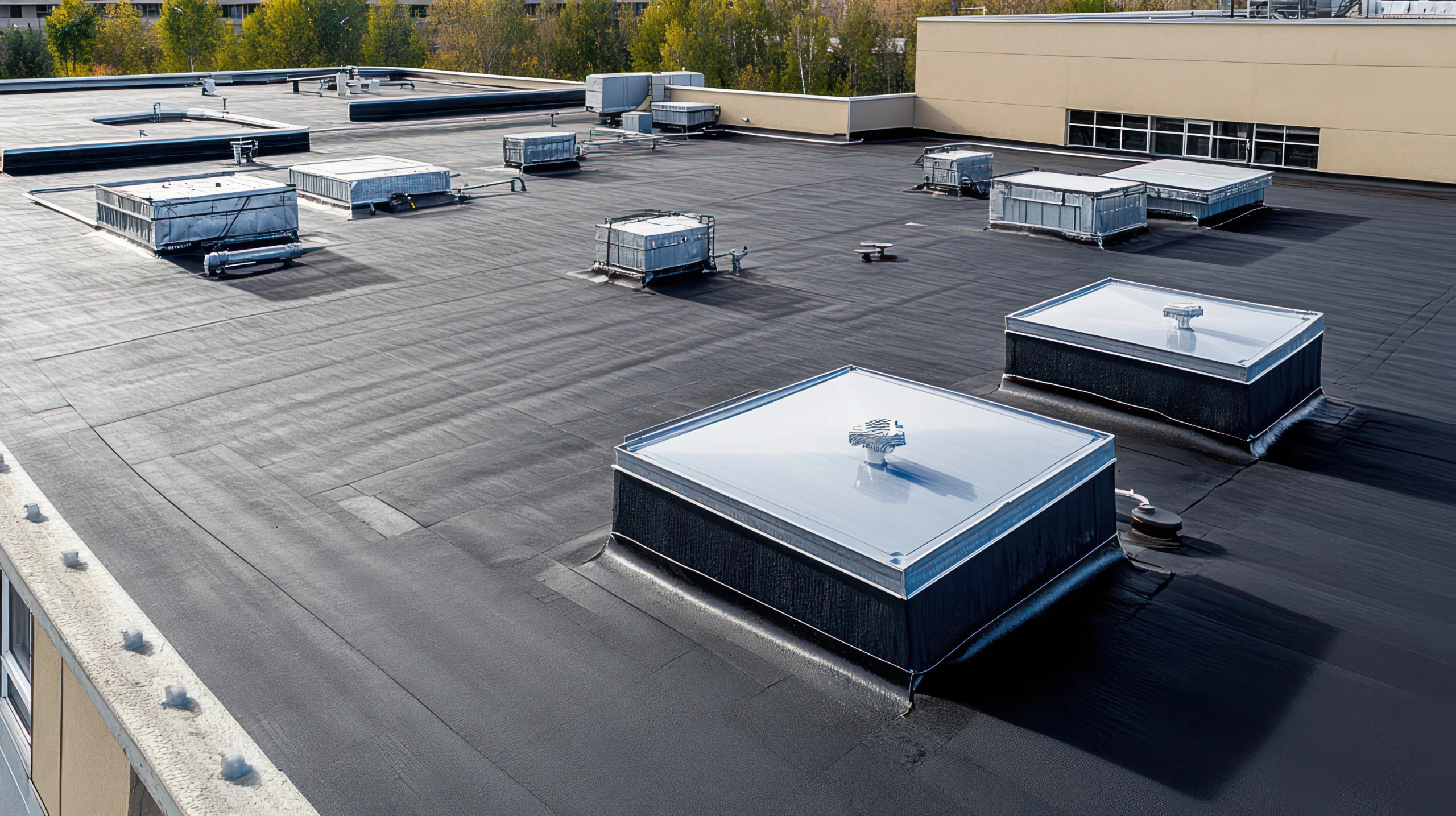
Commercial roofing refers to the specialized type of roofing installed on commercial buildings, such as office complexes, factories, warehouses, and retail stores. Unlike residential roofing, which typically involves steep slopes and asphalt shingles, commercial roofs are often flat or low-sloped to accommodate larger structures and various building functions.
Key considerations for commercial roofing include durability, energy efficiency, budget, and long-term performance.
Differences Between Commercial and Residential Roofing
While both residential and commercial roofing systems aim to protect structures, their design, materials, and maintenance requirements differ significantly:
Roof Design and Structure
- Commercial roofs are typically flat or low-sloped.
- Residential roofs usually have steep slopes and complex designs.
- Flat roofs require robust waterproofing to prevent water accumulation.
Material Choices
- Commercial roofing materials: TPO, EPDM, PVC, modified bitumen, metal.
- Residential materials: Primarily asphalt shingles or clay tiles.
Installation Complexity
- Commercial installations are more labor-intensive.
- Often involve multiple layers and advanced drainage or insulation systems.
Longevity and Maintenance
- Commercial roofs are built to last for decades with regular maintenance.
- Require scheduled inspections, sealant checks, and professional servicing.
Why Proper Commercial Roofing Matters
A durable and professionally installed commercial roof is crucial to a building’s health and business operations. Poor roofing can lead to:
- Costly leaks and water damage
- Structural issues
- Rising energy costs
- Code violations or safety hazards
Key Benefits:
- Protects commercial assets such as equipment, inventory, and personnel.
- Improves energy efficiency with reflective or insulated materials.
- Boosts property value and curb appeal.
- Ensures code compliance to avoid fines and legal risks.
Common Materials Used in Commercial Roofing
Selecting the right materials plays a major role in your roof’s performance. Here’s a breakdown of popular options:
Single-Ply Membranes
- TPO (Thermoplastic Polyolefin): Lightweight, UV-resistant, energy-efficient.
- EPDM (Ethylene Propylene Diene Terpolymer): Durable, cost-effective, weather-resistant.
- PVC (Polyvinyl Chloride): Chemical-resistant, fire-retardant, excellent for industrial settings.
Modified Bitumen
- Asphalt-based material with added fiberglass or polyester for strength and flexibility.
Built-Up Roofing (BUR)
- Made of alternating layers of asphalt and fabric.
- Offers strong waterproofing and durability.
Metal Roofing
- Long-lasting and energy-efficient.
- Options include steel, aluminum, zinc, and copper.
Environmental and Budget Considerations
When choosing materials for a commercial roof, consider:
- Energy Efficiency: Reflective coatings lower cooling costs.
- Longevity: Durable materials like metal reduce long-term replacement needs.
- Environmental Impact: Green roofs and recyclable materials offer eco-friendly solutions.
Popular Commercial Roofing Systems
Each system is tailored to different building needs:
Built-Up Roofing (BUR)
- Multiple layers of bitumen and fabric.
- Ideal for flat roofs requiring heavy-duty waterproofing.
Single-Ply Systems
- Lightweight and weather-resistant.
- TPO and EPDM are commonly used for energy-efficient solutions.
Modified Bitumen Roofing
- Combines flexibility with durability.
- Suitable for low-slope or flat commercial buildings.
Metal Roofing
- Exceptional longevity and low maintenance.
- Great for sloped roof designs.
Emerging Trends
- Green Roofs: Covered in vegetation, promoting better air quality and insulation.
- Cool Roofs: Use reflective materials to reduce heat absorption and urban heat islands.
Maintenance and Inspection Tips
To maximize the lifespan of a commercial roof:
Common Issues to Watch For
- Water pooling or drainage issues
- Cracks or tears in the membrane
- Blistering or bubbling
- UV or storm damage
Best Practices
- Schedule inspections twice a year and after major storms.
- Remove debris and clear drainage pathways regularly.
- Repair minor damage immediately to prevent bigger issues.
- Enroll in a professional maintenance program like the ones offered by Miller’s Roofing & Siding.
Why Choose Miller’s Roofing & Siding
For businesses in Minnesota and Wisconsin, Miller’s Roofing is a trusted name with a long-standing reputation for excellence.
What Sets Them Apart:
- Over 30 years of experience in commercial and residential roofing.
- Certified in systems like TPO, EPDM, modified bitumen, and metal.
- Comprehensive services include siding, ice dam removal, and gutter maintenance.
Work with the Experts – Get a Free Consultation
Choosing the right commercial roofing system is a long-term investment in your building’s value, performance, and safety. Let Miller’s Roofing & Siding help you make the best decision for your property.
Contact Miller’s Roofing today to schedule your free consultation and explore customized commercial roofing solutions.