When it comes to protecting your property, the roof is your first line of defense. For flat or low-slope structures, traditional options like asphalt shingles may not be the ideal solution. This is where rubber roofing emerges as a superior choice, offering remarkable durability and protection. If you own a home or commercial building with a flat roof, understanding this innovative roofing material is essential.
Welcome to your complete guide on rubber roofing. Here, we will explore what a rubber roof is, the different types available, and its many benefits. We’ll also provide an honest look at the pros and cons to help you determine if it’s the right fit for your property. By the end, you’ll have a clear understanding of why this roofing system is a trusted choice for properties across Minnesota and Wisconsin.
What Are Rubber Roofing Systems?
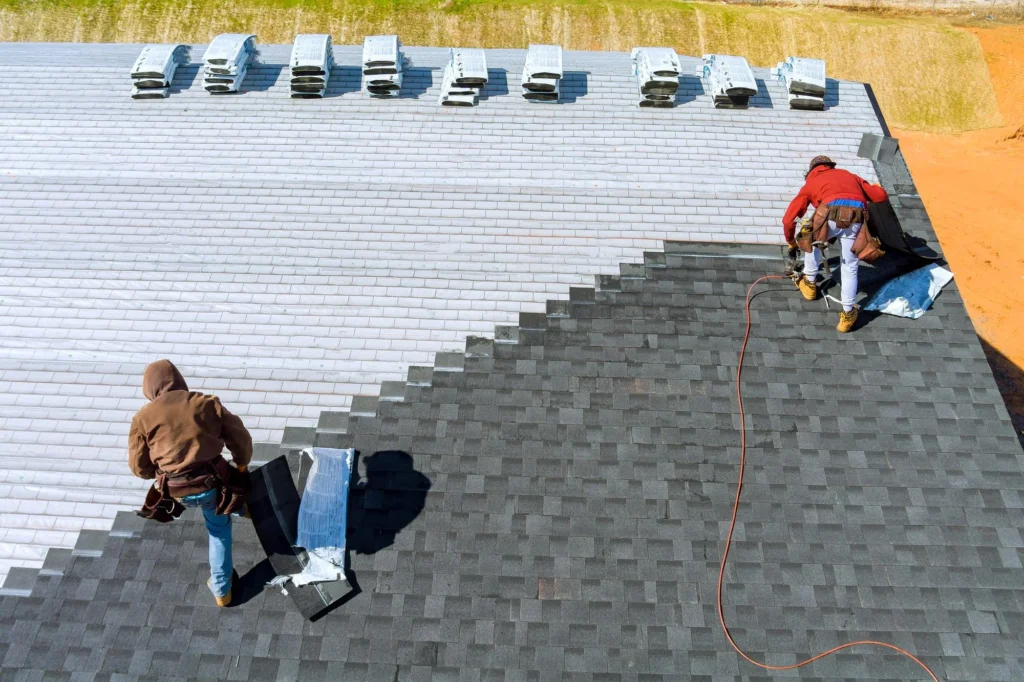
Rubber roofing is a durable, single-ply membrane made from synthetic rubber, most commonly ethylene propylene diene terpolymer (EPDM). This material is engineered to create a seamless, watertight seal over flat and low-slope roofs, which are particularly vulnerable to water pooling and leaks.
An EPDM rubber roof membrane works by forming a continuous barrier that resists water penetration, UV radiation, and extreme weather. Unlike traditional roofing materials that come in smaller sections, a rubber roofing membrane is often installed in large sheets, minimizing the number of seams where leaks could potentially develop. This makes it an ideal roofing solution for both residential and commercial buildings that require a reliable, long-lasting roofing system to protect their assets.
Types of Rubber Roofing Materials
While EPDM is the most common type of rubber roofing, the term is sometimes used to describe other single-ply membrane systems. Here’s a look at the primary options available:
EPDM Roofing
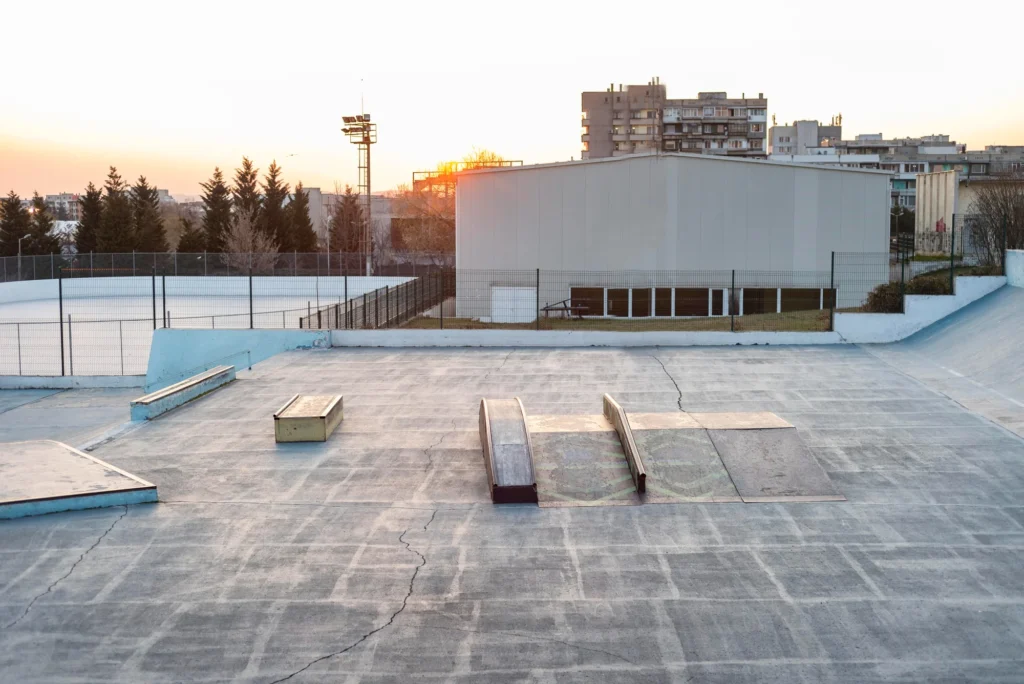
EPDM (ethylene propylene diene monomer) is the most widely recognized type of rubber roofing. This flexible and highly durable synthetic rubber membrane is celebrated for its longevity and cost-effectiveness. It is resistant to extreme temperatures, UV rays, and punctures, making it a popular choice for property owners looking for a low-maintenance, long-term roofing solution. At Miller’s Roofing, we specialize in the expert installation of EPDM roofing, ensuring a perfect fit for your flat roof.
TPO Roofing
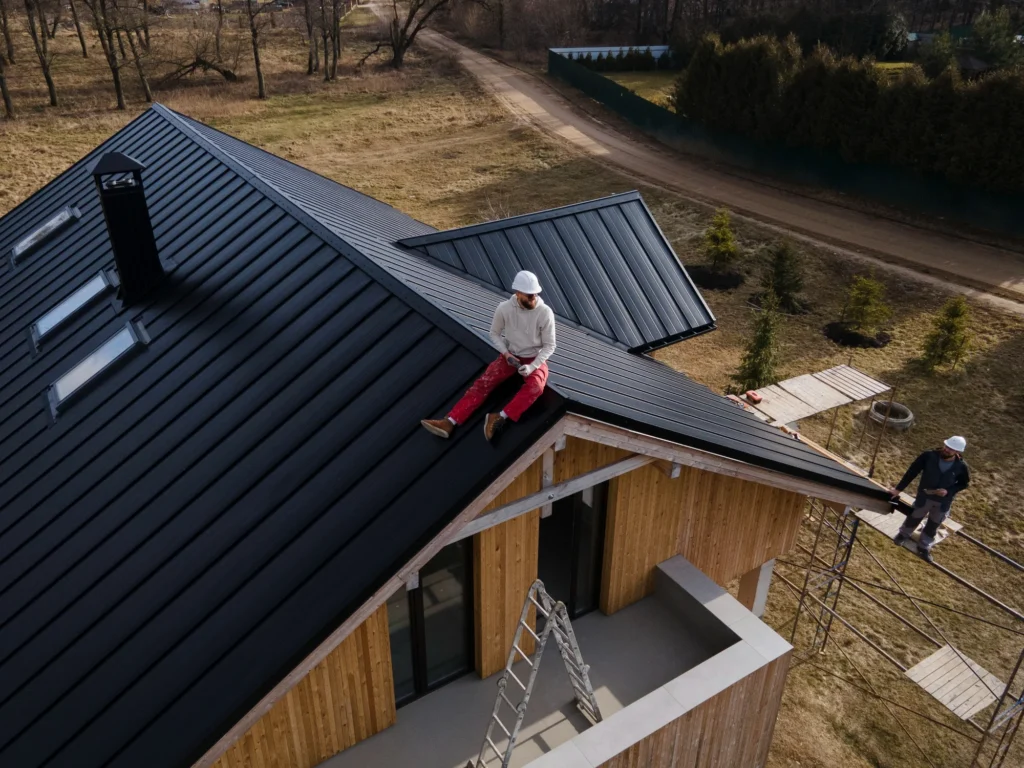
TPO (thermoplastic polyolefin) roofing is another popular single-ply membrane. While technically a thermoplastic rather than a rubber, it shares many benefits with EPDM. TPO is known for its reflective white surface, which helps improve energy efficiency by deflecting sunlight and reducing cooling costs. It offers excellent weather resistance and is a strong contender for those prioritizing energy savings.
PVC Roofing
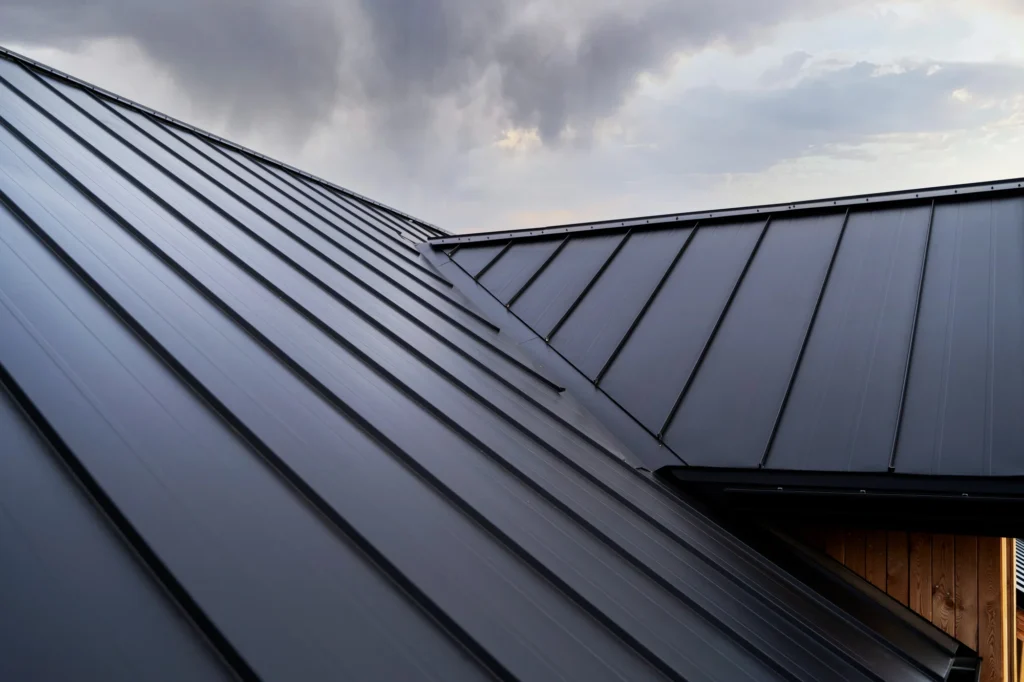
PVC (polyvinyl chloride) roofing is a premium thermoplastic membrane known for its exceptional strength and resistance to chemicals, grease, and fire. It is a highly durable roofing option, though it typically comes with a higher upfront cost compared to EPDM and TPO. Its robust nature makes it a suitable choice for commercial roofs that may experience heavy foot traffic or exposure to harsh substances.
Benefits of Rubber Roofing

Choosing a rubber roof for your property comes with a host of advantages that make it a smart investment for homeowners and businesses alike.
- Long-Lasting and Extremely Durable: A properly installed rubber roof can last 20–30 years or more. Its durability ensures it can withstand harsh weather, from heavy snow to intense sun.
- Weather and Leak Resistant: The synthetic rubber material offers superior resistance to UV rays, punctures, and thermal shock. With minimal seams, it creates a watertight seal that significantly reduces the risk of a leak.
- Affordable Roofing Solution: Rubber roofing is one of the most cost-effective roofing options available, especially for flat roofs. Its low maintenance needs also contribute to long-term savings on roof repair costs.
- Energy-Efficient and Eco-Friendly: Many rubber roofing systems are available in light colors that reflect sunlight, which can lower energy costs. Additionally, EPDM is a recyclable material, making it an environmentally conscious choice.
Pros and Cons of Rubber (EPDM) Roofing
To make an informed decision, it’s important to weigh both the advantages and disadvantages of an EPDM rubber roof.
Pros:
- Cost-Effective: EPDM offers one of the lowest costs per square foot for both materials and installation among flat roofing options.
- Durable & Weather-Resistant: The material is designed to endure extreme weather, from the freezing winters in Minnesota and Wisconsin to hot summer days, without cracking or splitting.
- Lightweight and Easy to Install: Because it is lightweight, a rubber roof doesn’t require structural reinforcement, which can speed up installation and reduce labor costs.
- Easy to Repair: Should a puncture or tear occur, repairs are typically simple and inexpensive for a qualified roofing contractor.
Cons:
- Aesthetics: For some, the appearance of a black rubber membrane may not be as visually appealing as traditional asphalt shingles or metal roofing.
- Requires Professional Installation: To ensure a watertight seal and prevent leaks, proper installation is crucial. Seams must be perfectly sealed by an experienced roofer.
- Heat Absorption: Standard black EPDM can absorb heat, potentially increasing cooling costs. However, this can be offset by applying a reflective top coating.
Why Choose Miller’s Roofing for Your Rubber Roof Installation?
For over 30 years, Miller’s Roofing & Siding has been the trusted roofing contractor for families and businesses across Minnesota and Wisconsin. As a family-owned and operated company, we treat every project as if it were for our own home.
Our in-house team of licensed and insured roofing experts brings unparalleled skill to every job—we never use subcontractors. This commitment to quality is reinforced by our premium partnerships with industry-leading manufacturers like CertainTeed, Owens Corning, GAF, and Tamko. When you choose us, you receive a warranty-backed roofing service that gives you complete peace of mind.
Frequently Asked Questions About Rubber Roofing
1. How much does rubber roofing cost?
The cost of a rubber roof can vary based on the material type, roof size, and complexity of the installation. However, EPDM is generally one of the most affordable flat roofing options, making it a great value for its longevity and durability. Contact us for a free, detailed estimate.
2. How long does a rubber roof last?
With proper installation and maintenance, an EPDM rubber roof can last between 20 and 30 years. Its lifespan can be extended even further with periodic inspections and minor repairs.
3. Can a rubber roof be repaired if it leaks?
Yes, one of the key advantages of a rubber roof is its ease of repair. Leaks, punctures, and seam issues can typically be fixed quickly and affordably by a professional roofer, restoring the watertight integrity of your roofing system.
4. Is rubber roofing good for commercial roofs?
Absolutely. Rubber roofing is a popular choice for commercial buildings due to its durability, cost-effectiveness, and low maintenance. It provides excellent protection for low-slope roofs commonly found on commercial properties.
Get Your Rubber Roof Installed by Experts
A rubber roof is a durable, affordable, and long-lasting solution that provides exceptional protection for flat and low-slope roofs. With its superior weather resistance and minimal maintenance requirements, it’s an ideal choice for both residential and commercial properties in Minnesota and Wisconsin.
If you’re ready to invest in a roofing system that offers decades of reliable performance, the expert team at Miller’s Roofing is here to help.
Contact Miller’s Roofing & Siding today for a free estimate on a new rubber roof for your property.