Your commercial building is more than just walls and a floor; it’s the physical foundation of your business operations. The roof that protects it all is one of your most significant assets, yet it’s often overlooked until water starts dripping onto inventory or equipment. A damaged roof disrupts workflow, endangers safety, and can lead to costly downtime.
This guide covers everything you need to know about commercial roof repair, from identifying early warning signs to choosing the right materials and contractor to keep your business dry and secure.
Understanding Commercial Roof Repair
What Is Commercial Roof Repair?
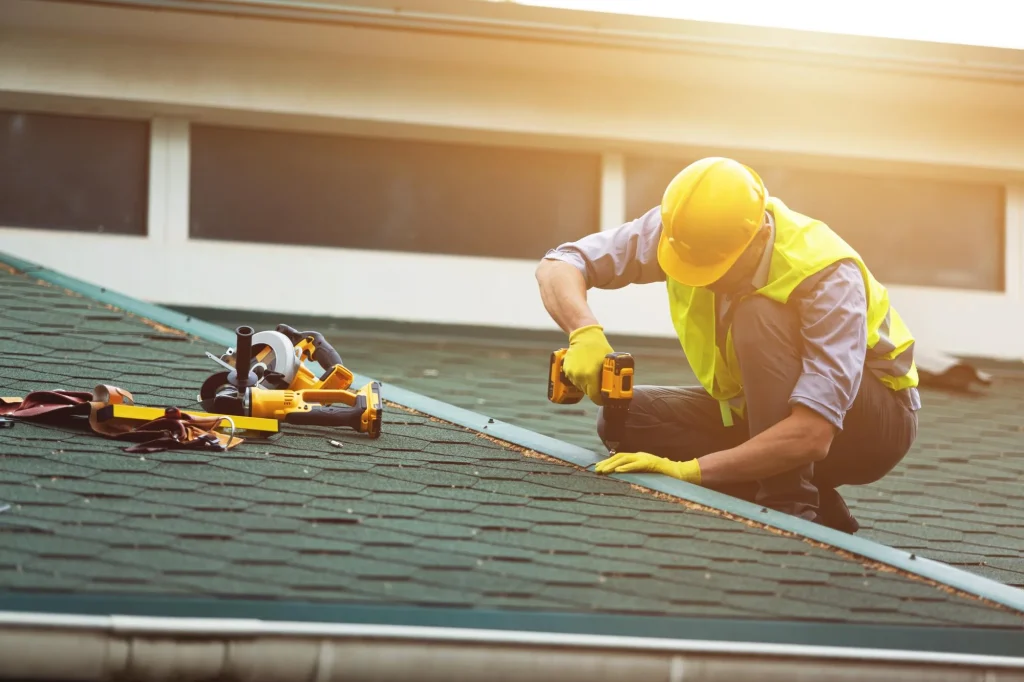
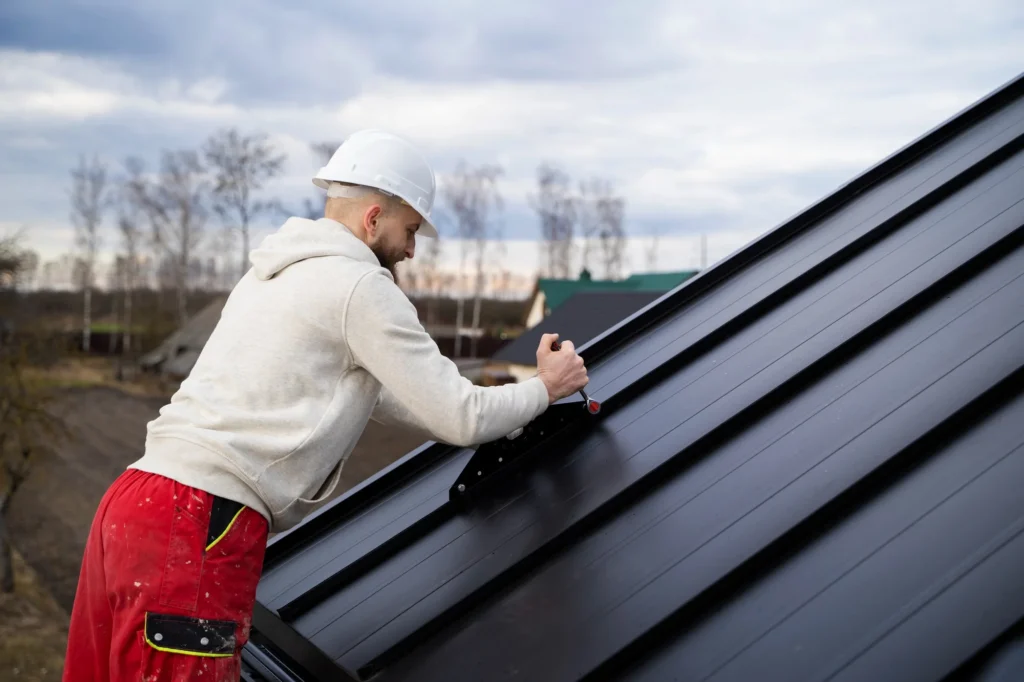
Commercial roof repair encompasses the maintenance, patching, and restoration of roofing systems specifically designed for business, industrial, or multi-unit residential structures. Unlike steep-slope residential roofs, commercial roofs are often flat or low-slope and cover large surface areas. Repair work involves specialized techniques to address issues like ponding water, membrane punctures, and flashing failures without necessitating a full roof replacement.
Common Roofing Issues in Commercial Buildings
Commercial roofs face unique stressors that residential roofs do not. Understanding these issues is the first step in effective maintenance.
1. Active Roof Leaks
Leaks are the most obvious sign of trouble. They often originate from compromised seams, damaged flashing around HVAC units, or clogged drainage systems. In a commercial setting, even a small leak can migrate and cause damage far from the entry point.
2. Storm, Wear, and Age-Related Damage
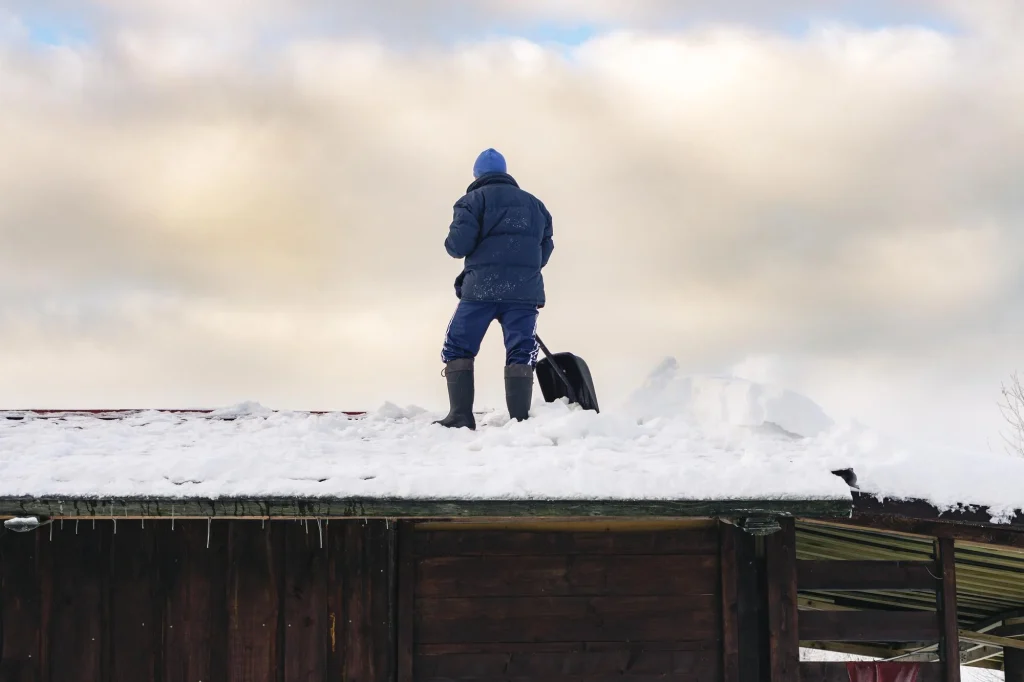
Minnesota and Wisconsin weather can be brutal. Heavy snow loads, hail impact, and high winds take a toll over time. As roofing materials age, they lose elasticity and become brittle, making them more susceptible to cracking and tearing during storm events.
3. Flat Roof and Low-Slope Roofing Challenges
Flat roofs are efficient for commercial buildings but prone to specific problems. “Ponding water”—water that stays on the roof for more than 48 hours—can degrade roofing materials and lead to structural sag. Additionally, blisters (trapped air or moisture bubbles) can form between membrane layers, compromising the roof’s integrity.
Signs Your Commercial Roof Needs Immediate Attention
Dealing With Roofing Issues Early
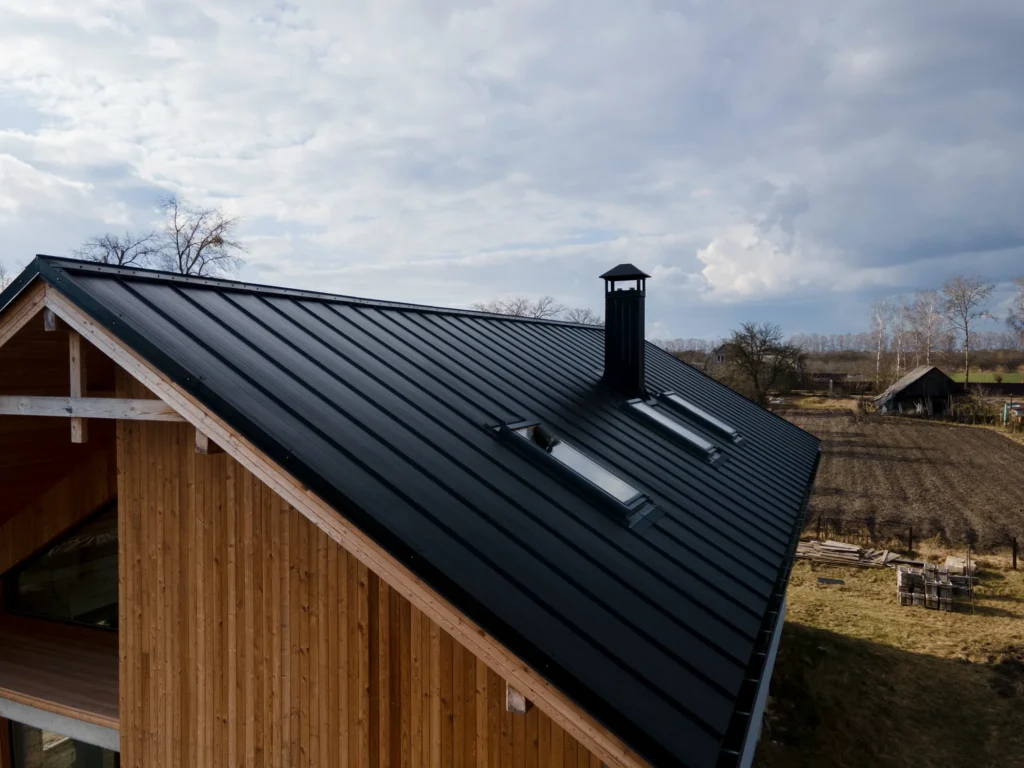
Proactive care is always cheaper than reactive repair. Small stains on ceiling tiles, a musty smell in the warehouse, or visible bubbling on the roof surface are early indicators. Addressing these minor issues immediately prevents them from escalating into major structural failures.
When a Roof Repair Is No Longer Enough
There comes a tipping point where repairs become a “band-aid” solution on a failing system. If repairs are required frequently, or if moisture has permeated the insulation layer beneath the membrane, spot fixes will no longer suffice. At this stage, more extensive restoration or replacement is necessary.
Risks of Delaying Commercial Roof Repairs
Ignoring a damaged roof is a risky gamble. Water intrusion can rot roof decking, cause mold growth that impacts indoor air quality, and damage electrical systems. Furthermore, slip-and-fall accidents caused by wet floors can lead to significant liability issues for business owners.
Commercial Roof Inspection and Assessment
Roof Assessment and Professional Inspections
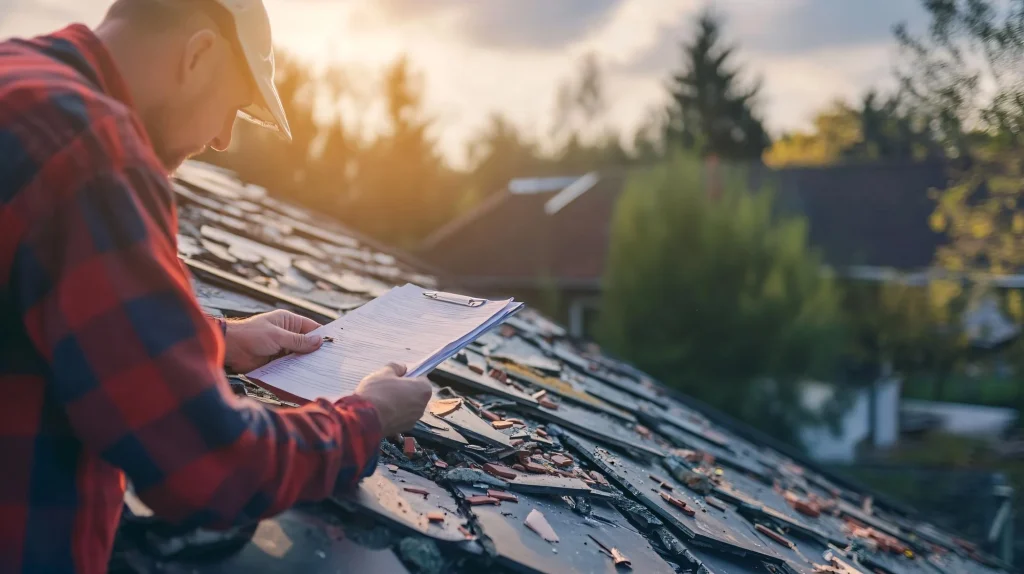
A professional assessment goes beyond a quick glance. Experts walk the perimeter, check all penetrations (vents, skylights, pipes), and examine the condition of the membrane and seams. They provide a detailed report on the current state of your roof.
Why Regular Inspections Matter
Scheduled inspections—ideally twice a year in spring and fall—allow you to budget for maintenance rather than being blindsided by emergency costs. They also ensure that your roof warranty remains valid, as most manufacturers require documented maintenance.
Identifying Hidden Damage Before It Spreads
Not all damage is visible to the untrained eye. Professional roofers use tools like infrared thermography to detect moisture trapped beneath the roof surface. Finding wet insulation early can save thousands in structural repair costs.
Commercial Roof Repair Services
Targeted Leak Detection and Repair
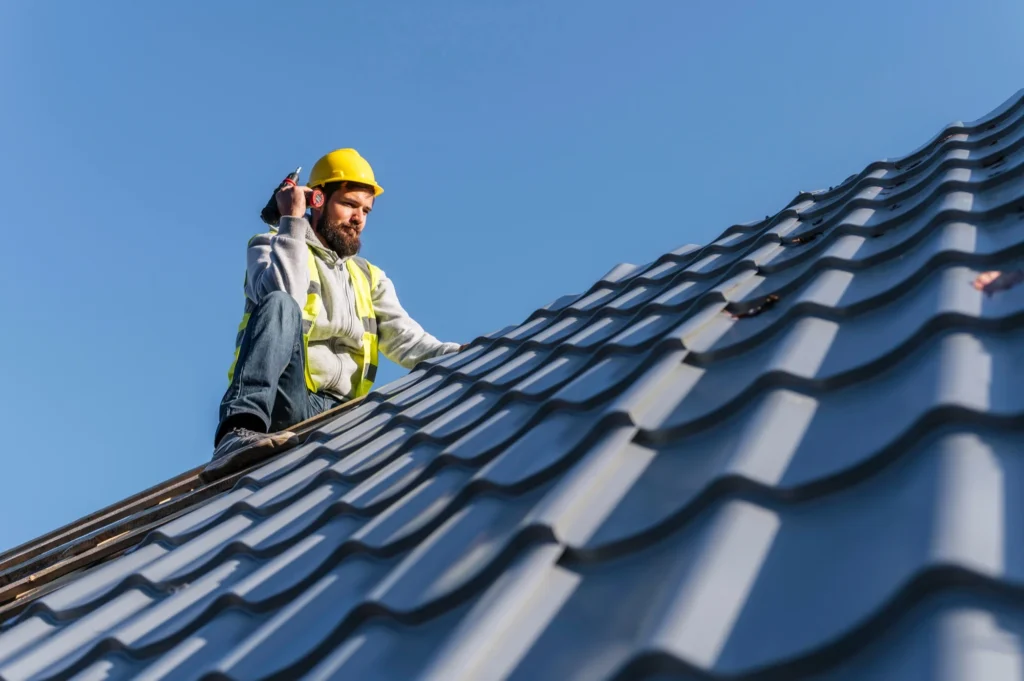
Effective repair starts with accurate detection. Technicians trace the path of water intrusion to find the source, which is often not directly above the visible drip. Once identified, targeted repairs seal the breach permanently.
Trusted Flat Roof Leak Repair for Commercial Properties
Flat roof repairs require specific materials compatible with your existing system (like TPO, EPDM, or PVC). Whether it involves heat-welding a patch or applying liquid-applied sealants, professional repair ensures a watertight bond that withstands thermal expansion and contraction.
Emergency Commercial Roofing Services
Storms don’t wait for business hours. Emergency services provide rapid response to secure your building immediately after severe weather or sudden failure, using temporary tarping or sealing to prevent further damage until permanent repairs can be made.
Roof Maintenance to Extend Roof Life
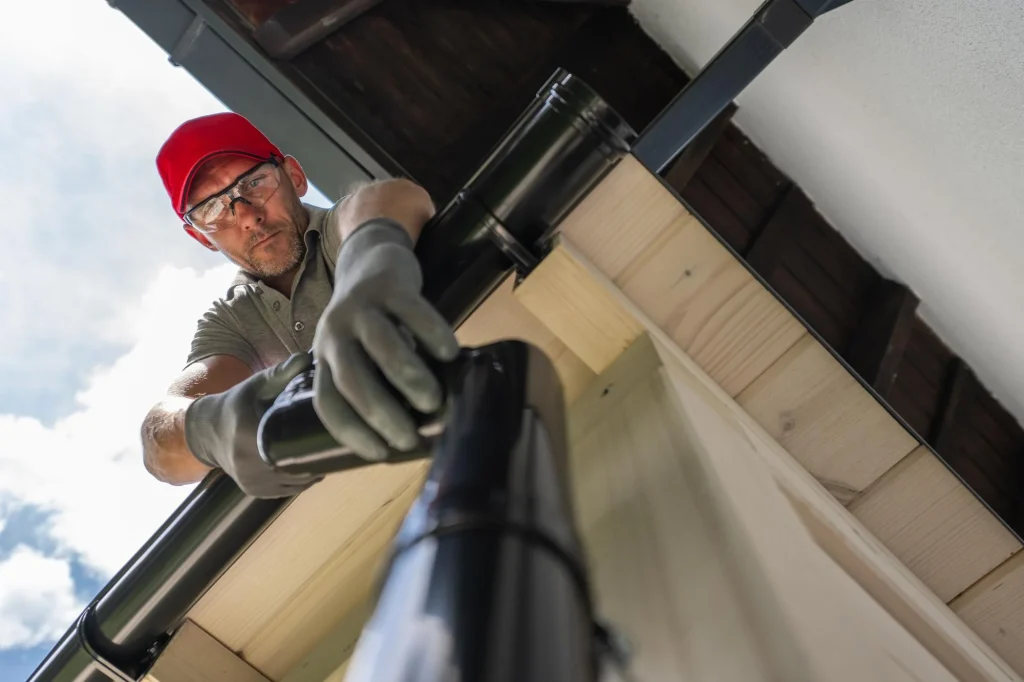
Routine maintenance includes clearing debris from drains and scuppers, resealing pitch pans, and checking caulking. These simple tasks ensure water flows off the roof as intended, significantly extending the lifespan of the roofing system.
Roofing Solutions to Reduce Long-Term Costs
Investing in reflective roof coatings or restorative membranes can lower energy bills by reducing heat absorption. These solutions not only repair existing issues but also upgrade the roof’s performance, offering a return on investment over time.
Commercial Roofing Systems and Materials
Roof Systems and Services for Commercial Buildings
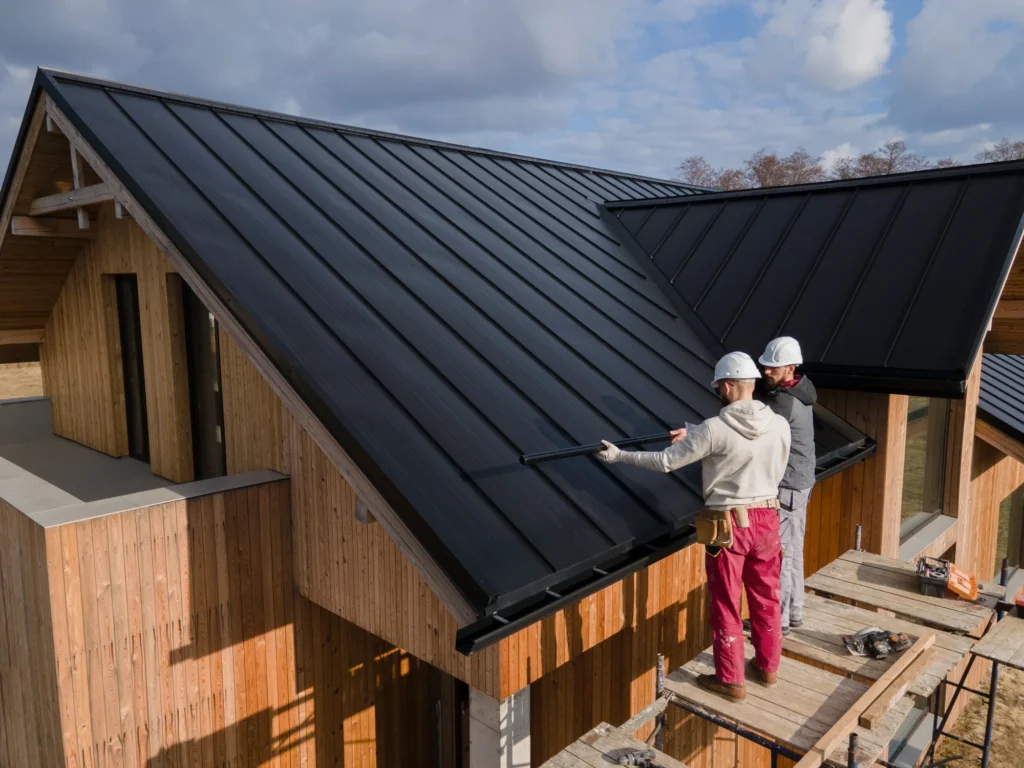
The commercial market offers a wide array of systems tailored to different building needs, from retail centers to heavy industrial warehouses. The right system depends on your budget, climate, and the building’s structural capacity.
Which Roofing Material Should I Choose for My Commercial Building?
Selection criteria should include durability, maintenance requirements, energy efficiency, and cost. For example, a restaurant with many rooftop vents might need a chemically resistant membrane like PVC, while a warehouse might benefit from cost-effective EPDM.
Which Roof System Is Right for My Building?
Consulting with a roofing expert is crucial here. They will analyze factors like foot traffic on the roof, local weather patterns, and the building’s projected lifespan to recommend the optimal system.
EPDM, PVC, Metal, and Shingle Roofing Options
- EPDM (Rubber): Durable, cost-effective, and excellent for cold climates.
- PVC & TPO: highly reflective, energy-efficient, and resistant to chemicals and grease.
- Metal: extremely long-lasting and durable, offering great aesthetic appeal.
- Asphalt Shingles: Common for steep-slope commercial properties like banks or churches, offering a traditional look.
Commercial Roof Repair vs. Roof Replacement
1. When Repair Is the Right Choice
Repair is the logical choice when the roof is relatively new, the damage is localized (covering less than 25% of the roof), and the insulation is dry. It preserves capital and extends the service life of the existing asset.
2. When Commercial Roof Replacement Makes Sense
Replacement becomes necessary when the roof has exceeded its expected lifespan, extensive water damage has compromised the structure, or the cost of repairs approaches 50% of the cost of a new roof.
3. Benefits of New Commercial Roof Installation
A new roof offers peace of mind with a fresh warranty. It improves energy efficiency, reducing HVAC costs, and enhances the curb appeal and value of the property.
4. Commercial Roof Replacement Resources
When planning for replacement, utilize resources like energy tax credits, manufacturer warranties, and financing options to manage the investment effectively.
Choosing the Right Commercial Roofing Contractor
Why Hiring Experienced Commercial Roofers Matters
Commercial roofing is complex. An improperly installed seam or flashing can lead to catastrophic failure. Experienced roofers understand the specific code requirements and installation techniques for large-scale systems.
What to Look for in a Trusted Roofing Partner
Look for a contractor with a permanent physical address, a strong safety record, and a portfolio of completed local projects similar to yours. Transparency in quoting and communication is key.
Certified Roofing Professionals and Quality Standards
Ensure your contractor is certified by major manufacturers. This certification often allows them to offer superior warranties that non-certified roofers cannot provide.
Financing Available for Commercial Roofing Repairs
Roofing work is a significant expense. Reputable contractors often partner with financial institutions to offer flexible payment plans, helping you manage cash flow while securing your building.
Commercial Roof Repair FAQs
1. How Long Do Commercial Roof Repairs Last?
The longevity of a repair depends on the materials used and the quality of workmanship. Properly executed repairs can last as long as the surrounding roof system, often 10 to 15 years or more.
2. How Much Does Commercial Roof Repair Cost?
Costs vary widely based on the type of roof, extent of damage, and materials required. Minor patching is affordable, while extensive restoration is a larger investment. A detailed inspection is the only way to get an accurate quote.
3. How Often Should Commercial Roofs Be Inspected?
Industry standards recommend inspections at least twice a year (spring and fall) and after any major storm event.
4. Can Repairs Be Done Without Disrupting Business Operations?
Yes. Professional commercial roofers are experienced in working around your schedule to minimize noise and disruption, ensuring your business stays open during the project.
Why Choose Miller’s Roofing and Siding for Commercial Roof Repair
A. Decades of Experience You Can Trust
Serving commercial and residential clients since 1990
For over three decades, we have been a staple in the community, building a reputation for reliability and excellence. We understand the specific challenges posed by the Upper Midwest climate.
B. Employee-Based Crews, No Subcontractors
Consistent quality, accountability, and professionalism
We don’t rely on random subcontractors. Our crews are our own employees, trained to our high standards. This ensures accountability and consistent quality on every job site.
C. Quality Materials & Expert Workmanship
Trusted manufacturers: GAF, CertainTeed, Owens Corning, Tamko, EDCO
We partner with the industry’s top manufacturers to provide materials that are proven to last. Our expert workmanship ensures those materials perform exactly as intended.
D. Industry-Leading Warranties for Peace of Mind
Because we are certified by top manufacturers, we can offer robust warranties that cover both materials and labor, giving you long-term protection for your investment.
E. EPA Lead-Safe Certified Roofing Professionals
Safety and compliance are top priorities. Our team is trained and certified to handle projects safely, adhering to all environmental and safety regulations.
Commercial Roofing Services Offered by Miller’s Roofing and Siding
A. Commercial Roof Repair & Leak Resolution
From minor punctures to complex flashing issues, we diagnose and fix leaks quickly to prevent business interruptions.
B. Commercial Roof Replacement
When it’s time for a new system, we manage the entire replacement process, ensuring minimal downtime and a flawless installation.
C. New Commercial Roof Installation
Building from the ground up? We work with architects and general contractors to install high-performance roofing systems on new construction projects.
D. Emergency Roofing Services
When disaster strikes, we are available to secure your property swiftly, mitigating damage and helping you navigate insurance claims.
E. Ongoing Roof Maintenance Programs
We offer customized maintenance plans designed to maximize the life of your roof and prevent costly surprises.
Contact Miller’s Roofing and Siding
Ready to secure your building? Our team is ready to help.
[Contact Us] | [View Our Services] | [Learn More]