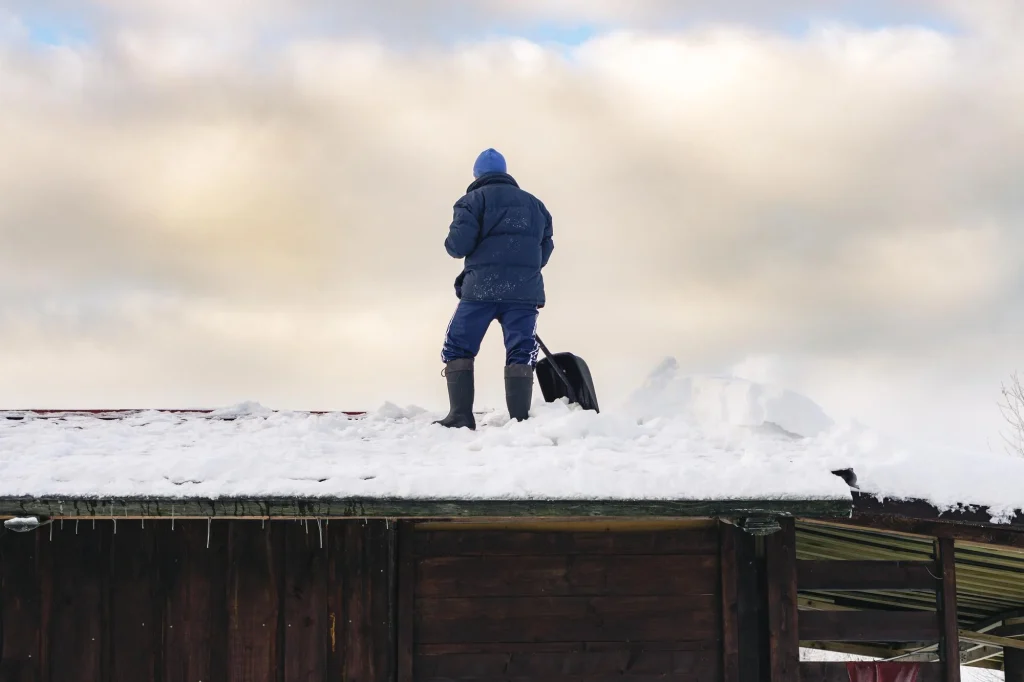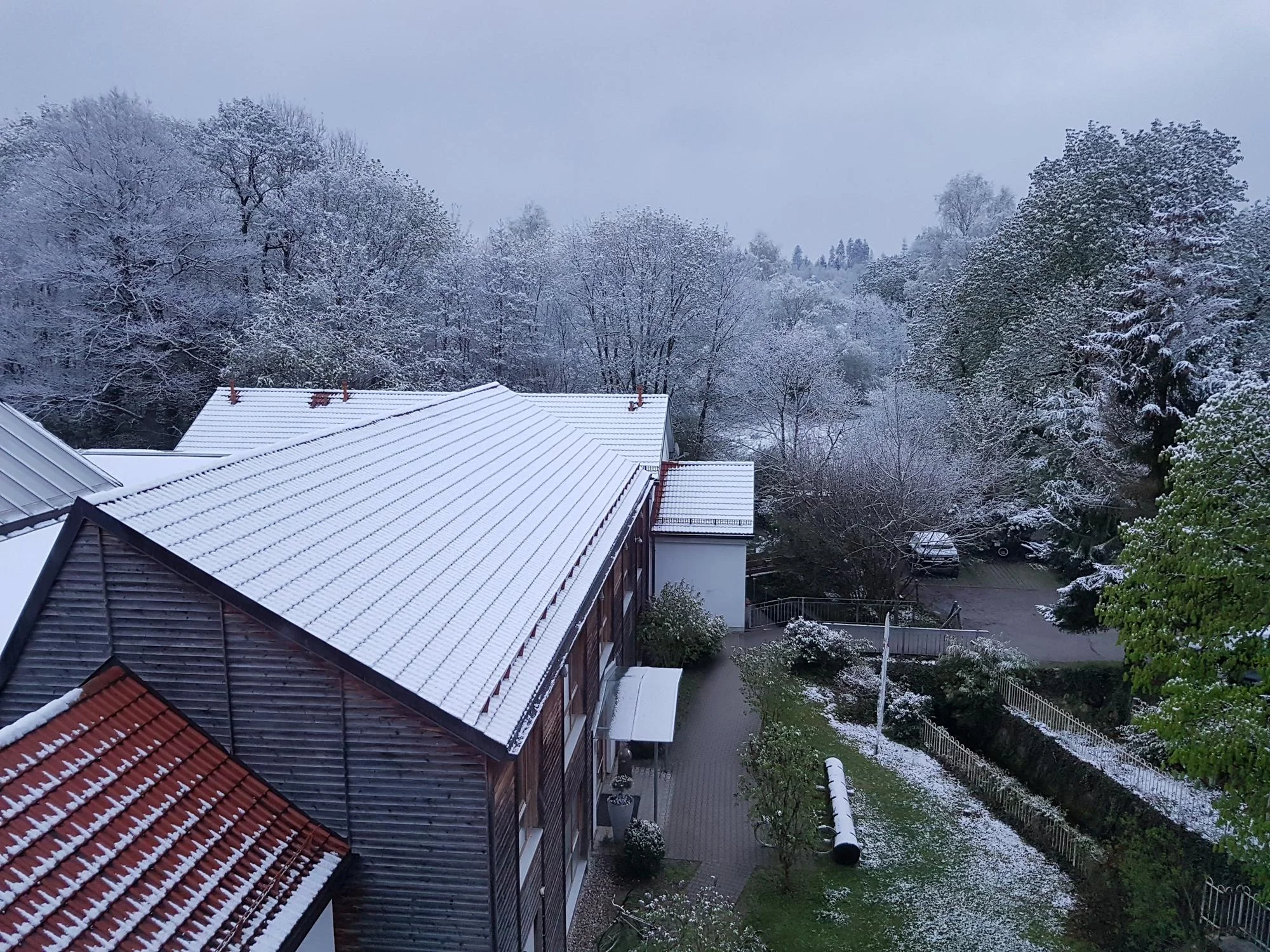
- The importance of snow management for metal roofs cannot be overstated in regions with harsh winters. Unlike asphalt shingles, which have a rough texture that holds snow in place, metal roofs are slick. This characteristic is excellent for shedding precipitation but can lead to dangerous “roof avalanches” where tons of snow slide off all at once. Managing this snow load is critical for protecting the property and people below.
- The role of snow guards in cold climates is to act as a friction barrier. They don’t necessarily stop the snow from ever leaving the roof; rather, they hold it in place so it can melt gradually or slide off in small, manageable amounts. This controlled release prevents sudden, massive impacts on gutters, landscaping, and parked cars.
- How proper roofing material selection helps manage heavy snow involves choosing the right panel profile and finish. While all metal roofs shed snow, standing seam systems offer specific advantages for attaching snow retention systems without penetrating the roof deck, maintaining the watertight integrity of the system while managing the white stuff.
Metal Roof Performance in Snowy Conditions
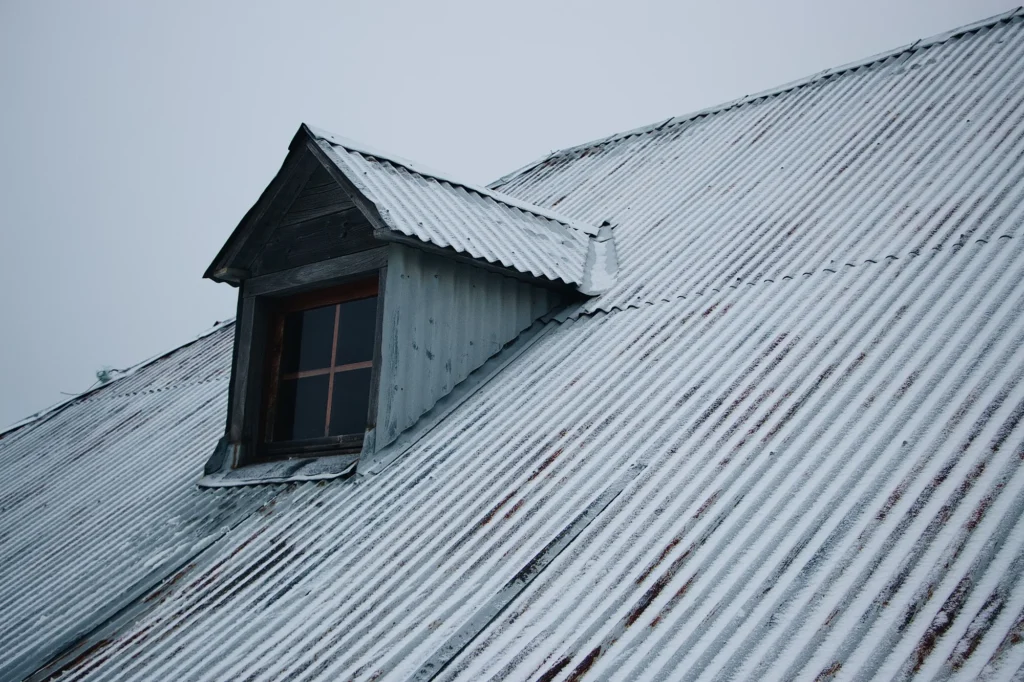
- Benefits of a metal roof in snow country are numerous. The primary advantage is smooth snow shedding. Gravity does the work, preventing heavy accumulations that could threaten the structural integrity of the home. Durability is another key factor; metal can withstand freeze-thaw cycles without cracking, unlike porous materials that absorb water and split when it freezes.
- Challenges of metal roofs in snow country primarily revolve around those sudden slides. Without management, a metal roof can dump thousands of pounds of snow in seconds. Ice buildup at the eaves can also be an issue if the roof is not properly insulated or ventilated, though this is less about the metal and more about the roof assembly.
- Can metal roofs handle heavy snowfall? Absolutely. Metal roofing systems are engineered with high strength-to-weight ratios. They can bear significant snow loads without buckling, provided the underlying structure is sound. They are often the preferred choice in alpine regions for this very reason.
Common myths about metal roofs in winter persist despite evidence to the contrary:
- Myth: Cannot handle heavy snow. (False. They are often stronger than other materials.)
- Myth: Causes ice dams. (False. Ice dams are caused by heat loss from the attic, not the roofing material.)
- Myth: Makes homes colder. (False. With proper insulation, they have no negative impact on indoor temperature.)
- Myth: Roofs blow off in storms. (False. They have extremely high wind uplift ratings.)
- Myth: Metal roofs are noisy. (False. Insulation dampens the sound effectively.)
- Myth: Cannot be installed in winter. (False. Professionals can install metal roofs year-round.)
Ice Dams and Snow Management
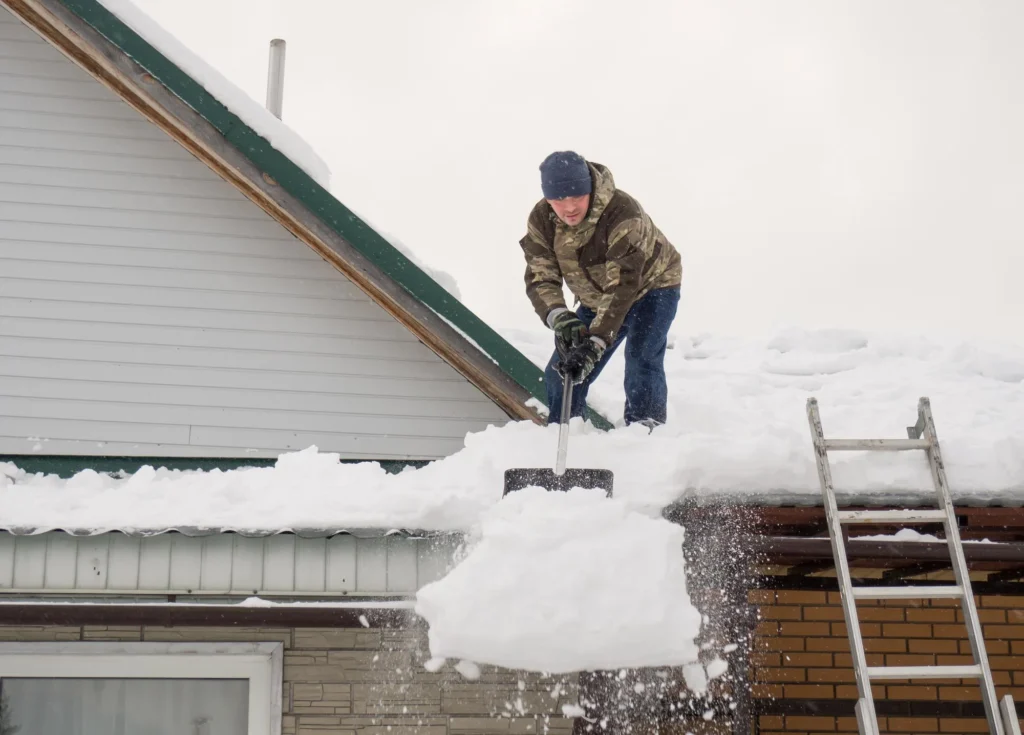
- What ice dams are is a buildup of ice at the edge of a roof. They form when heat escapes the home, melting snow on the upper roof. This water runs down to the cold eaves and refreezes. Over time, this ice grows and traps pools of water behind it, which can back up under shingles and leak into the home.
- How metal roofs affect ice dam formation is generally positive. Because metal sheds snow so efficiently, there is often less snow on the roof to melt in the first place. Furthermore, the vertical seams of metal panels create fewer horizontal barriers for water to back up against compared to shingles.
- Preventing leaks and damage during winter requires a two-pronged approach: proper attic insulation/ventilation to stop the melting, and a waterproof underlayment (like ice and water shield) installed under the metal to protect the deck.
- Snow accumulation on roof panels can sometimes cause damage if unmanaged, specifically to penetrations like plumbing vents. If a heavy snowpack slides and hits a PVC pipe, it can shear it off. Snow guards help protect these vulnerable points by holding the snowpack stationary.
Are Snow Guards Necessary?
- The function of snow guards is simple physics: they increase friction. They break up the sheer plane of the roof, preventing the snow from sliding as a monolithic sheet. They essentially pin the snow to the roof.
- When snow guards are optional vs required depends on the specific site. If you have a metal roof on a shed in the middle of a field where no one walks, snow guards are optional. However, over a front door, a garage entrance, or a delicate garden, they are effectively required for safety.
- Why standing seam roofs benefit from snow retention is due to attachment methods. You can use clamps that attach directly to the standing seam ribs. This provides immense holding power without putting a single hole in the roof panel, preserving the warranty and weather-tightness.
When Are Snow Guards Essential?
1. Steep roof slopes accelerate the speed of sliding snow. On a steep pitch, the momentum of a snow slide can be destructive. Snow guards are essential here to act as brakes.
2. High snowfall regions obviously require more robust management. If you see feet of snow rather than inches, the weight involved is massive. Without guards, the liability of falling snow is significant.
3. Entrances, walkways, and gutters below the roofline are danger zones. You cannot risk a roof avalanche falling on a person entering the home or crushing an expensive copper gutter system. In these specific zones, snow guards are non-negotiable.
4. Considerations for homeowners in heavy snow areas include the “impact zone.” Homeowners must map out where snow will land and determine if that area needs protection.
Are Snow Guards Worth It?
1. Safety benefits for people and property are the main return on investment. The cost of a snow guard system is a fraction of the cost of a medical bill from an injury or an insurance deductible from a crushed car roof.
2. Long-term roof protection is another factor. Uncontrolled sliding snow can scour the paint finish off metal roofs over time and damage flashings. Holding the snow in place protects the finish.
3. How homeowners can prevent property damage with snow guards extends to HVAC units and landscaping. A heavy slide can flatten expensive shrubs or destroy an external AC compressor unit sitting near the house.
Benefits of Metal Roof Snow Guards
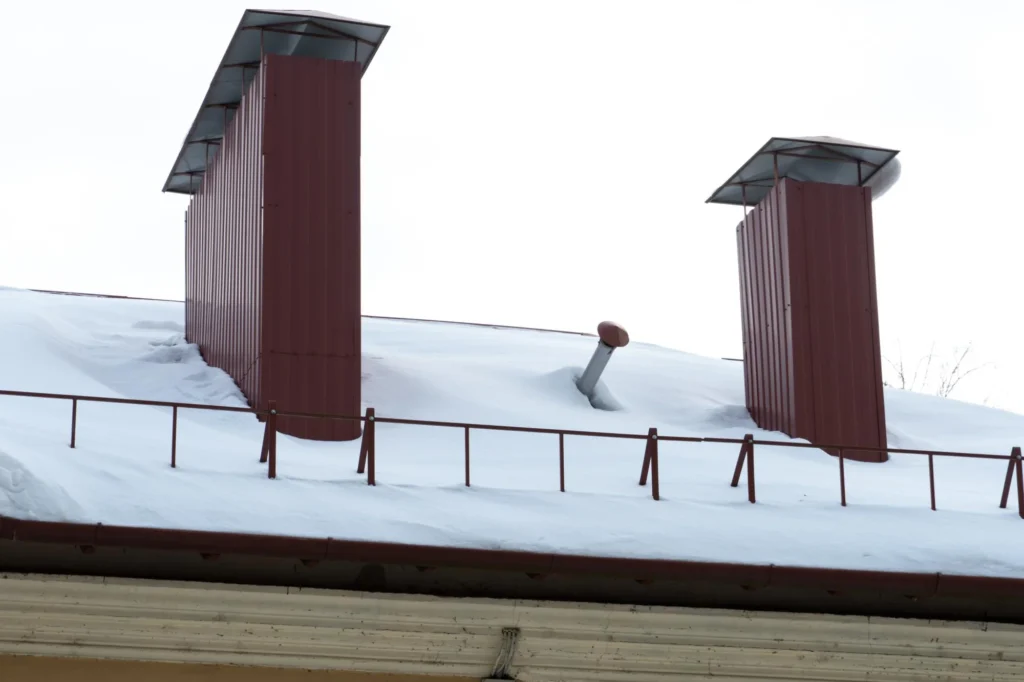
1. Preventing snow avalanches is the headline benefit. By keeping the snow on the roof, you eliminate the “surprise factor” of a sudden release.
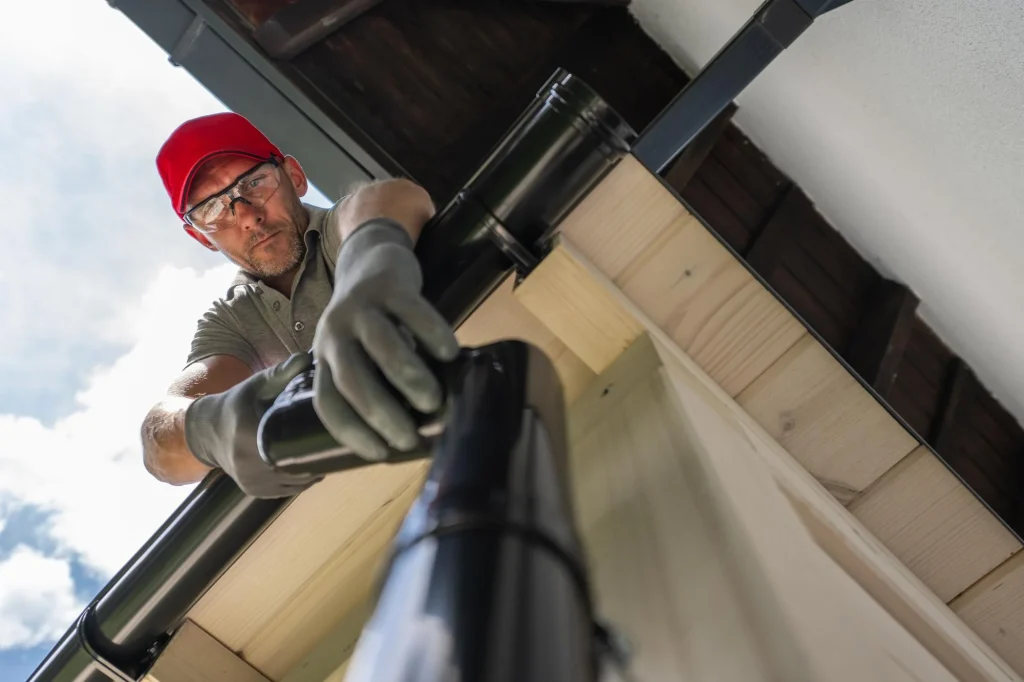
2. Protecting gutters, landscaping, and people ensures that the exterior of your home remains intact through the winter. Gutters, in particular, are prone to being ripped off by sliding snow without guards.
3. Best practices for standing seam roof designs involve using non-penetrating clamps. This maintains the “floating” nature of the metal roof, allowing it to expand and contract thermally without being pinned to the deck by screws.
Types of Snow Guard Systems
1. Individual snow cleats (or “pad style” guards) are small devices placed in a staggered pattern across the roof. They are effective for moderate snow loads and are visually unobtrusive.
2. Continuous snow rail systems look like small fences running parallel to the eaves. These are much stronger and are designed for heavy snow loads and long rafter lengths where the weight of the snow is substantial.
3. Cost-effective snow retention systems often involve polycarbonate (plastic) cleats. While cheaper, they may not last as long as metal options and can turn yellow or brittle over time.
4. Advanced/enhanced snow guard systems use multiple bars or pipes and heavy-duty clamps. These are engineered for alpine environments and commercial buildings.
Choosing the right system for your roof panel type is crucial. You cannot use a clamp designed for a standing seam on a corrugated panel. The guard must match the profile of the metal.
Snow Guard Rails for Metal Roofs
- How rail systems manage snow loads is by distributing the weight across multiple attachment points. A rail connects several clamps, sharing the load. This prevents any single point of failure and creates a solid barrier that snow cannot slide through.
- Ideal applications and roof compatibility for rails include metal roofs with long runs from ridge to eave. The longer the run, the more snow accumulates, and the stronger the retention system needs to be.
- Recommended for standing seam and other panel types, rails are the gold standard. They provide the most reliable protection and offer a clean, linear look that complements the lines of a metal roof.
Roof Design and Planning for Snow Country
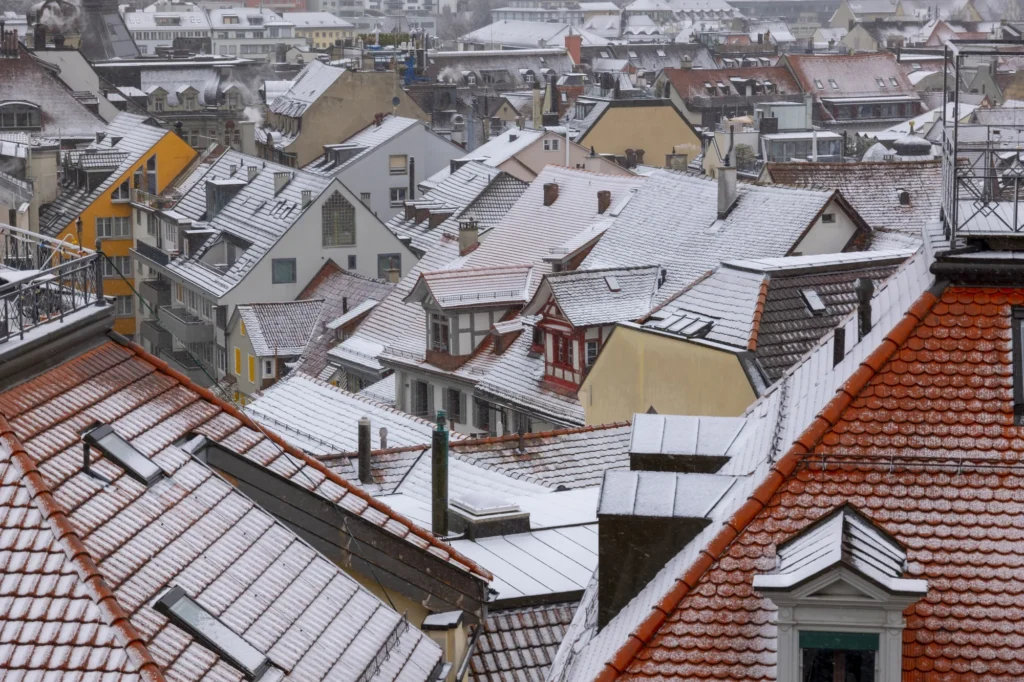
- Roof pitch and panel orientation should be considered early. While steeper roofs shed snow better, they also make slides more dangerous. Simple roof lines with fewer valleys are better for snow country as they minimize areas where snow can drift and accumulate unevenly.
- Choosing the best metal panels for snowy regions usually leads to standing seam. The concealed fasteners and lack of horizontal seams make them virtually leak-proof, even under sitting snow.
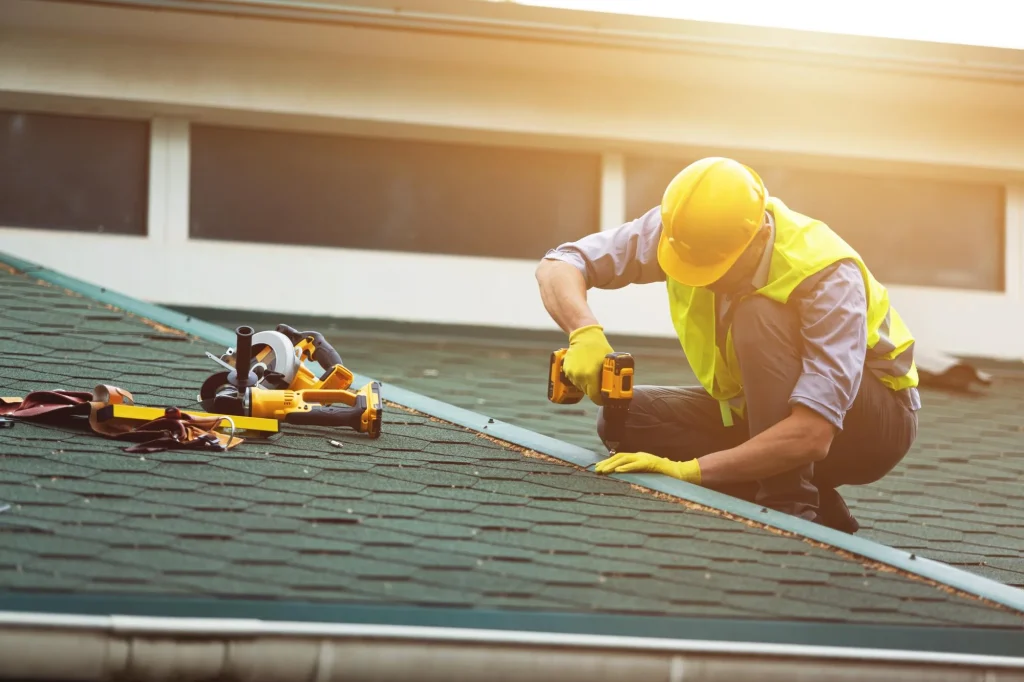
- Why homeowners should consult professionals for proper installation cannot be stressed enough. Calculating snow loads requires math and engineering knowledge. A professional can determine exactly how many rows of guards are needed and at what spacing to prevent failure.
Maintenance and Safety in Winter Conditions

- Keeping your metal roof safe from snow and ice involves observation. Watch for unusual buildup. While you generally don’t need to shovel a metal roof, keeping an eye on it ensures systems are working.
- Preventive maintenance strategies include cleaning gutters before winter so meltwater has somewhere to go. Checking heat tape (if installed) is also vital.
- Managing leaks and winter damage means acting fast. If you see a leak, don’t wait for spring. Ice dams can force water into walls, causing rot.
- Tips for homeowners to inspect and maintain snow retention systems include checking tighteners on clamps. Thermal cycling can loosen bolts over time. A quick check in the fall ensures the guards won’t slide off when the first heavy snow hits.
FAQs About Metal Snow Guards
- Common questions on installation, performance, and maintenance often ask: “Can I add them later?” (Yes, snow guards can be retrofitted easily.) “Do they rust?” (Not if you buy stainless steel or aluminum components.)
- How different roofing materials affect snow guard performance is about friction. Snow slides faster on Kynar-coated steel than on granular-coated metal. Smoother roofs need more aggressive snow retention calculations.
Conclusion
- Key takeaways on snow guard necessity are clear: if you have a metal roof in a snowy climate, you likely need snow guards over key areas like doorways and driveways. They are a safety device, not just an accessory.
- Making informed decisions for safety and long-term roof performance involves balancing budget with risk. While rails are more expensive than plastic cleats, the cost of a ripped-off gutter or a damaged car makes the investment wise.
- Advice for homeowners considering snow guards for their metal roofs is to consult with the manufacturer of your roofing panels. They often have specific recommendations or partnerships with snow guard companies to ensure compatibility and warranty compliance. Don’t guess; engineer the solution for safety.