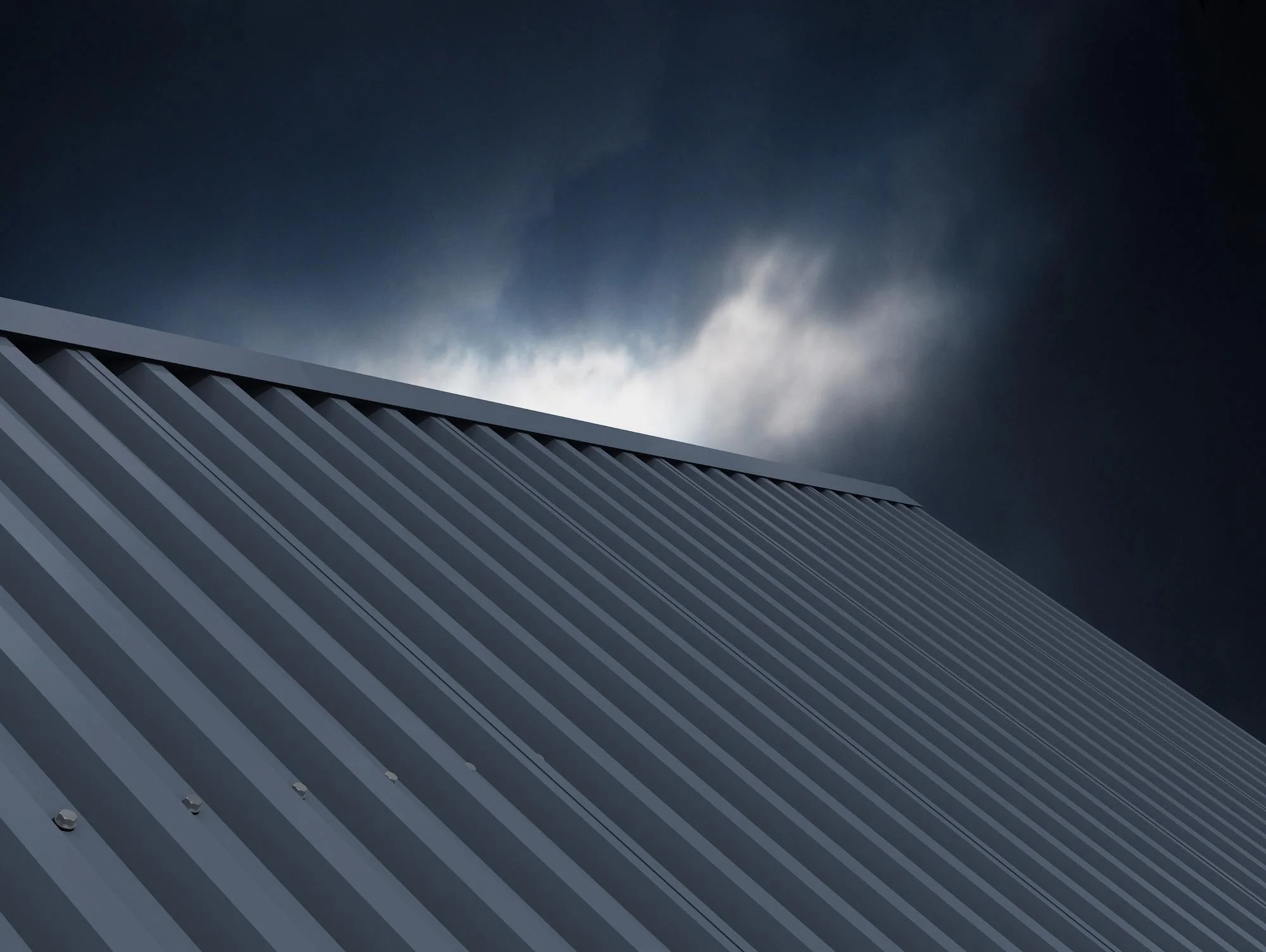
Why lightning safety is a common concern with metal roofs is easy to understand. We are taught from a young age that metal conducts electricity. Naturally, when homeowners consider installing a large sheet of metal on top of their house, they worry it might act as a giant lightning magnet. It is one of the most persistent myths in the roofing industry, causing unnecessary hesitation for those who would otherwise benefit from metal roofing.
Separating fear from facts is crucial when making a major home improvement decision. While the fear is grounded in basic physics—metal does conduct electricity—the reality of how lightning interacts with buildings is quite different. Understanding the science behind lightning strikes helps alleviate these concerns, allowing homeowners to focus on the tangible benefits of metal roofing rather than hypothetical dangers.
The Real Truth About Metal Roofs and Lightning
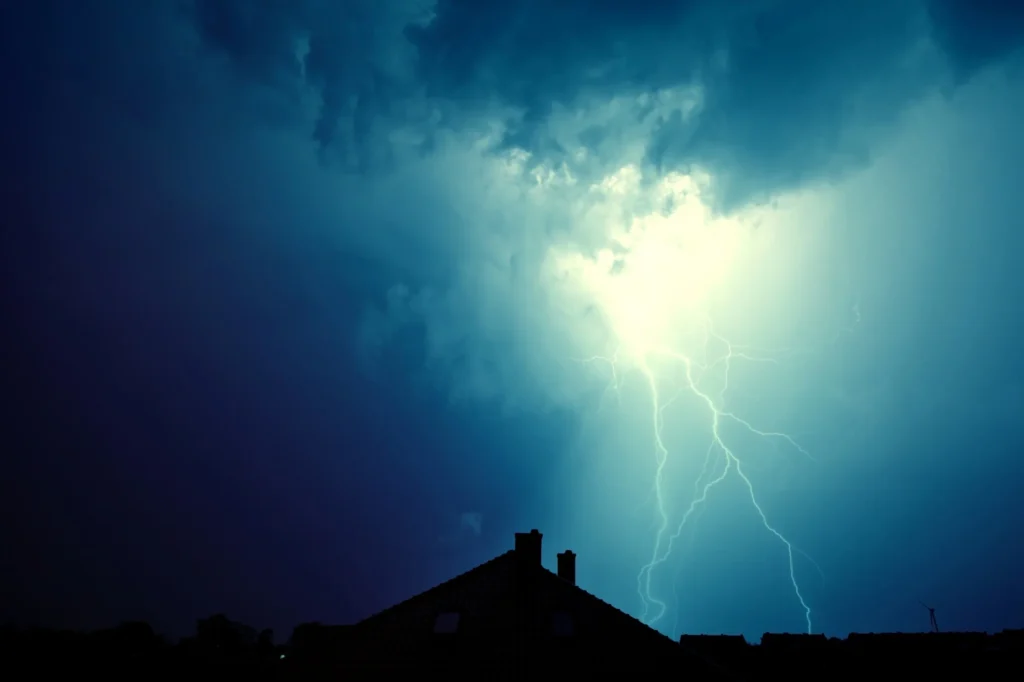
Why myths persist is often due to a lack of specialized knowledge. People equate “conductor” with “attractor.” Because lightning rods are made of metal, people assume a metal roof functions the same way, drawing lightning from the sky. This misunderstanding is reinforced by cartoons and movies, but it doesn’t hold up in the real world of meteorology and physics.
What science actually says is that lightning is not looking for metal; it is looking for the path of least resistance to the ground. The material of the roof is far less important than the height and isolation of the structure. A metal roof does not influence where a bolt of lightning will strike any more than an asphalt shingle roof does.
Does a Metal Roof Attract Lightning Strikes?
How lightning chooses strike points is a process determined by topography and height. Lightning is a massive discharge of static electricity. As the stepped leader descends from the clouds, it is drawn to the highest point in the immediate area that can connect it to the ground. This is usually a tree, a telephone pole, or a tall building.
The role of height, location, and surroundings is the primary factor. If your home is the tallest object on a hill, it is a potential target regardless of what covers the roof. Conversely, if your home is nestled among tall trees or taller buildings, those objects are far more likely to be struck than your roof, whether it is made of copper, steel, or stone.
Are Metal Roofs Actually More Likely to Be Hit?
Why metal roofs are no more likely to be struck is a statistically proven fact. Insurance data and lightning strike statistics do not show a higher incidence of strikes on metal-roofed homes compared to those with other roofing materials. The probability of a strike is determined by the storm’s intensity and the geography of the site, not the construction materials of the house.
Understanding lightning behavior reveals that lightning operates on a scale far larger than a rooftop. It travels miles through the atmosphere. The final few feet are determined by the electric field concentration at the highest points, not by the presence of a conductive metal sheet on a lower structure.
Is Lightning Attracted to Metal Roofs?
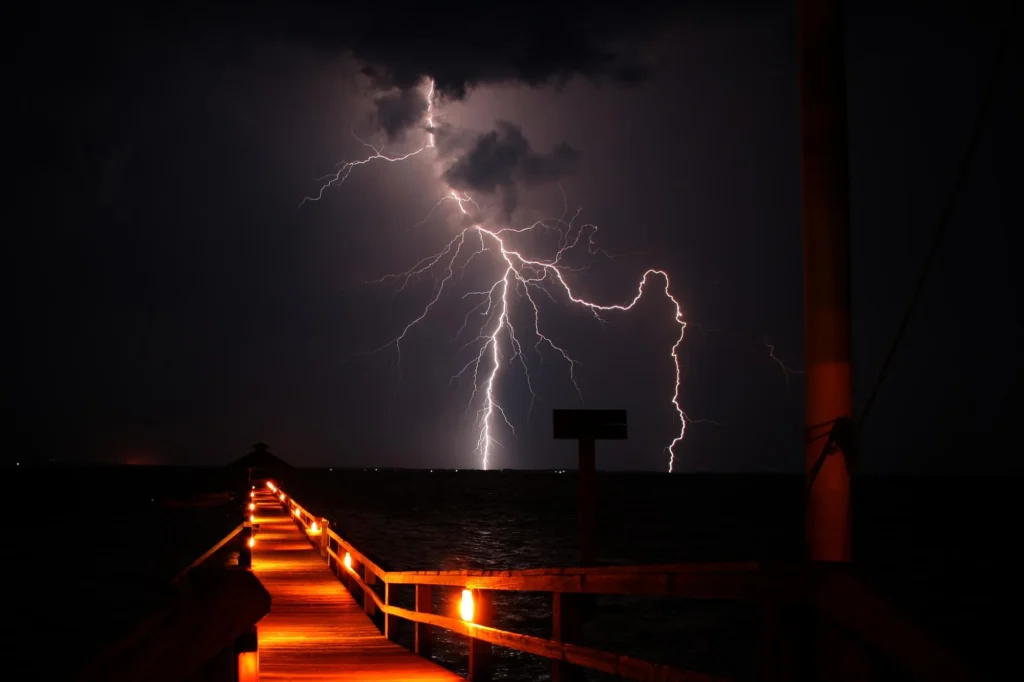
Conductivity vs attraction is the key distinction here. Metal conducts electricity well, meaning energy flows through it easily. However, it does not attract electricity. Attraction would imply a magnetic-like pull, which metal roofs do not possess regarding lightning. The electrical charge in a storm cloud does not “sense” the metal roof from thousands of feet above.
Common misunderstandings arise from confusing these two concepts. People think because a wire carries current, a metal roof must pull lightning down. In reality, the roof is simply a passive surface. It waits for the lightning to decide where to land based on height, not material composition.
Myth #1: Metal Roofing Attracts Lightning
Why this belief is incorrect is simple: lightning strikes are indiscriminate regarding materials. A lightning bolt that travels thousands of feet is not going to change its course in the last 50 feet just because it spots a metal roof. It will strike the highest point, which is usually a lightning rod, a tree, or an antenna, regardless of what the roof below is made of.
What Happens When Lightning Strikes a Building?
How electrical energy travels when a building is struck depends on the path to ground. If lightning hits a house, the energy seeks the fastest way to the earth. Without a proper path, it can jump (side-flash) through the structure, potentially traveling through wiring, plumbing, or even structural wood, causing explosive damage due to rapid heating.
Factors that influence damage include the resistance of the materials the lightning passes through. High-resistance materials like wood or dry masonry can heat up instantly, leading to fires or explosions as moisture inside them boils. This is why non-conductive materials can actually suffer more physical damage during a strike.
What Happens When Lightning Hits Metal Roofing?
How metal disperses energy is one of its hidden safety features. Because metal is a conductor, it allows the electrical charge to spread out across the surface area of the roof rather than concentrating it in one spot. This dissipation of energy reduces the heat buildup at the point of impact.
Grounding and safety basics are essential here. If the roof is properly grounded (which is part of standard construction codes), the energy is safely guided down to the earth without passing through the flammable interior of the home. The metal acts as a shield, conducting the dangerous energy away from living spaces.
How Metal Roofs Actually Keep You Safer
Non-combustible properties make metal roofs a superior choice in the event of a strike. Even if lightning hits the roof, metal will not ignite. Asphalt shingles are petroleum-based and can catch fire, and wood shakes are highly flammable. Metal simply cannot burn, significantly reducing the risk of a catastrophic house fire following a strike.
Reduced structural damage risk is another benefit. Because the metal conducts the electricity, the strike is less likely to blast through the roof deck and into the attic. The energy flows over the exterior skin of the home rather than tearing through the structure itself.
Are Metal Roofs More Likely to Catch Fire Than Shingles?
Fire behavior comparison shows that metal is a Class A fire-rated material, the highest rating available. Asphalt shingles can be ignited by the intense heat of a lightning bolt. Wood shakes are even more dangerous. In contrast, a metal roof might sustain a scorch mark or a small hole at the contact point, but it will not burst into flames.
Why metal performs better in lightning events is directly tied to this non-combustibility. The biggest danger from a lightning strike isn’t the electricity itself, but the resulting fire that destroys the home. By eliminating the fuel source on the roof, you eliminate the primary mechanism of total loss.
Understanding Fire Resistance and Metal Lightning Safety
Fire ratings for roofing materials measure how well a roof resists catching fire from outside sources. Metal consistently scores top marks. This rating is critical not just for lightning safety, but also for protection against wildfires or wayward fireworks.
Why fire resistance matters during storms is obvious: thunderstorms often bring high winds. If a lightning strike starts a small fire on a flammable roof, the wind can fan those flames into a raging inferno within minutes. A metal roof stops this sequence of events before it begins.
The Advantages of a Metal Roof in a Lightning Storm
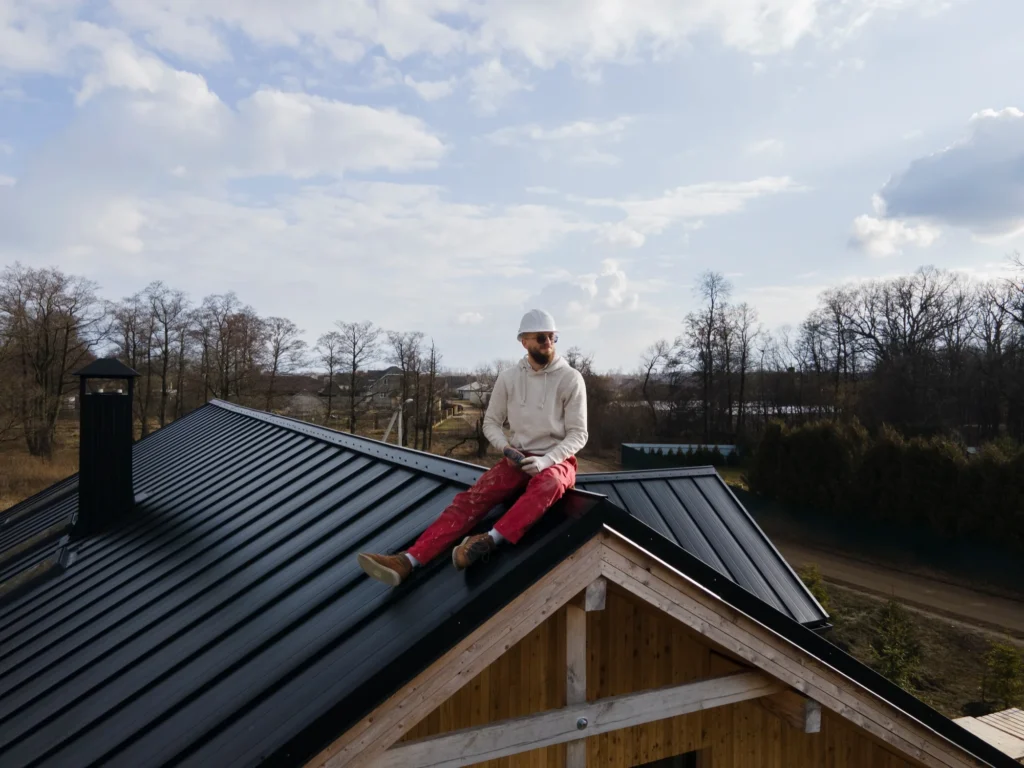
1. Durability is a major advantage. Metal roofs can withstand the accompanying hail and high winds that often come with lightning storms. While a shingle roof might lose tabs or suffer granule loss, a metal roof remains intact.
2. Fire resistance ensures that even a direct hit won’t lead to the house burning down.
3. Structural strength means the roof system ties the house together, providing better protection against the racking forces of wind while the storm rages overhead.
Comparing Metal Roofs and Non-Metal Roofs in Storms
Safety differences are stark. A wood shake roof is a fire hazard waiting to happen during an electrical storm. An asphalt roof is safer than wood but still flammable. A metal roof offers the highest level of protection against ignition.
Performance during extreme weather also favors metal. Metal roofs are engineered to handle high winds and heavy rain without leaking or blowing off. They provide a secure, watertight cap that protects the home’s interior from water damage, which often accompanies lightning storms.
Industrial Strength Durability of Metal Roofing
Long-term resilience is what makes metal a preferred choice for commercial and industrial buildings, which often face the same lightning risks as residential homes. These structures rely on metal because it does not degrade or become brittle over time, maintaining its protective qualities for decades.
Resistance to storm damage is superior. Metal does not crack, warp, or rot. After a severe storm passes, a metal roof is typically ready for the next one, whereas other materials may require immediate and expensive repairs to maintain their integrity.
Strength and Style with Stone-Coated Metal Roofing
Enhanced durability is found in stone-coated steel roofs, which combine the strength of industrial steel with the look of traditional tiles or shingles. The stone coating provides an extra layer of protection against impact and UV rays, while the underlying steel core offers the lightning safety benefits discussed.
Aesthetic versatility means you don’t have to sacrifice style for safety. You can have a roof that looks like clay tile or wood shake but performs like high-grade steel during a thunderstorm.
What Is the Best Roofing Material for Lightning?
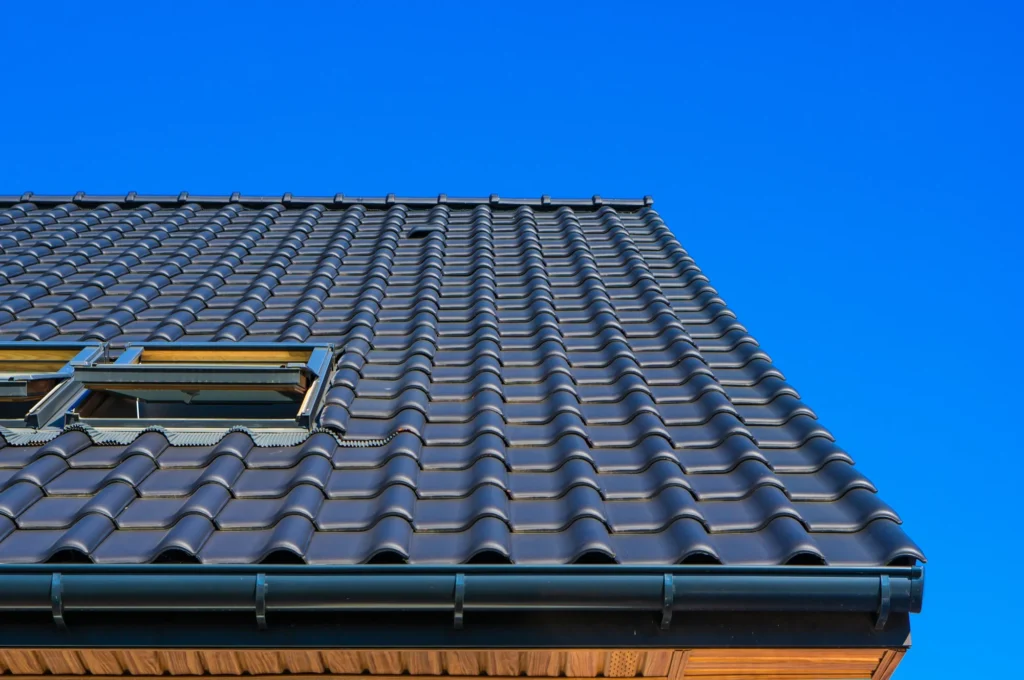
Key characteristics that improve safety include electrical conductivity (to disperse the charge), non-combustibility (to prevent fire), and durability (to survive the strike). Metal is the only material that excels in all three categories.
Why material choice matters is because your roof is your first line of defense against the elements. Choosing a material that actively mitigates the risks of fire and structural damage creates a safer environment for your family.
Do You Need a Lightning Rod With a Metal Roof?
When lightning protection systems are necessary depends on the risk factors of the specific property, not just the roofing material. If your home is the tallest structure in the area, or if you live in a region with extremely frequent electrical storms, a system may be warranted.
Situations where they may not be required are common. For most residential homes in suburban or urban environments surrounded by taller trees or buildings, a lightning rod system is usually not required simply because you have a metal roof.
When Do You Actually Need Lightning Rod Protection?
Building height and location are the determining factors. A two-story house on a flat prairie is at higher risk than a one-story house in a valley.
Regional lightning frequency also plays a role. Homeowners in Florida (the lightning capital of the US) have different safety needs than those in the Pacific Northwest. Local building codes and insurance requirements often dictate when protection systems are mandatory.
What Do Lightning Protection Systems Do?
How professional systems work involves creating a dedicated, low-resistance path for lightning to reach the ground. They do not prevent lightning from striking; they intercept the strike and control its path.
Grounding and energy dissipation are the goals. The system uses air terminals (rods) on the roof connected to heavy cables that run down to ground rods buried deep in the earth. This ensures the electrical surge bypasses the home’s structure entirely.
What Professional Lightning Protection Looks Like
Components of a complete system include air terminals (the rods you see), conductor cables, ground rods, and surge suppressors for the home’s electrical panel.
Integration with metal roofing is seamless. Modern lightning protection systems can be installed on metal roofs without penetrating the panels, using clamps that attach to the standing seams. This preserves the roof’s warranty and watertight integrity while adding a layer of protection.
Preventive Steps for Metal Roof Lightning Protection
1. Proper grounding is the most critical step. Ensure your home’s electrical system is properly grounded. During roof installation, the contractor should ensure the metal panels are electrically continuous and bonded to the ground system if required by local code.
2. Routine inspections help maintain safety. Check that nearby trees are trimmed back so they don’t crash onto the roof if struck by lightning.
3. Structural considerations involve ensuring the roof deck and framing are sound, providing a stable base for the metal panels to perform their protective role.
Why Metal Roofing Is a Safe Long-Term Choice for Your Home
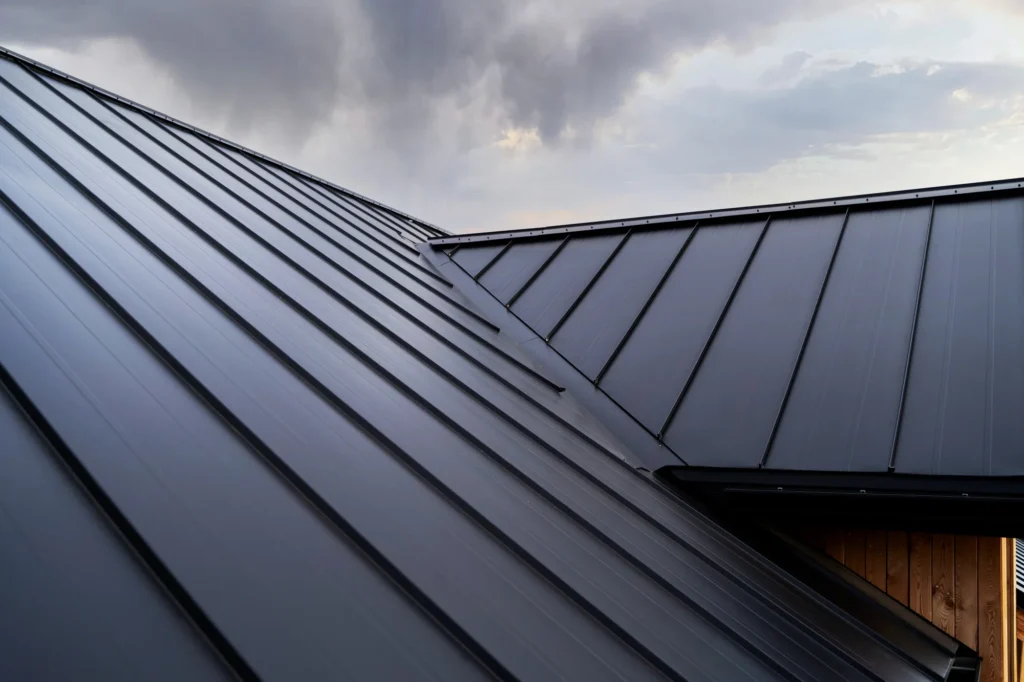
1. Longevity is a key selling point. A metal roof can last 50 years or more, providing decades of storm protection.
2. Safety advantages are clear: fire resistance, wind resistance, and impact resistance make it the safest shelter during a storm.
3. Performance in severe weather is unmatched. Whether it’s a summer thunderstorm or a winter blizzard, metal roofing systems are engineered to shed water, resist wind, and protect the structure beneath better than any other material.
Common Metal Roofing Myths Explained
- Myth: Metal roofs are noisy. (False. With solid sheathing and proper insulation, they are often quieter than asphalt roofs.)
- Myth: Metal roofs rust easily. (False. Modern metal roofs have galvanized coatings and high-tech paints that resist rust for decades.)
- Myth: Metal roofs dent easily. (False. High-quality steel roofs are rated to withstand severe hail without cosmetic or functional damage.)
- Myth: Metal roofs hold heat in summer. (False. Metal reflects solar radiant heat, often keeping attics cooler than asphalt shingles which absorb heat.)
Final Thoughts on Metal Roofing Myths
Why education matters is that it empowers homeowners to make the best decisions for their property. Myths like the “lightning magnet” theory are outdated and scientifically unsound.
Making confident roofing decisions requires looking at the data. The data shows that metal roofs are safe, durable, and highly resistant to the very dangers homeowners fear most during a storm.
FAQs About Metal Roofing and Lightning
Common homeowner questions answered:
1. Will my insurance go up with a metal roof?
No, in fact, it often goes down due to the fire and impact resistance of metal.
2. Can I stay inside during a storm?
Absolutely. A metal-roofed home is a Faraday cage of sorts; you are safer inside it than outside.
3. Does the color of the metal affect lightning risk?
No, color has no impact on electrical attraction or conductivity.