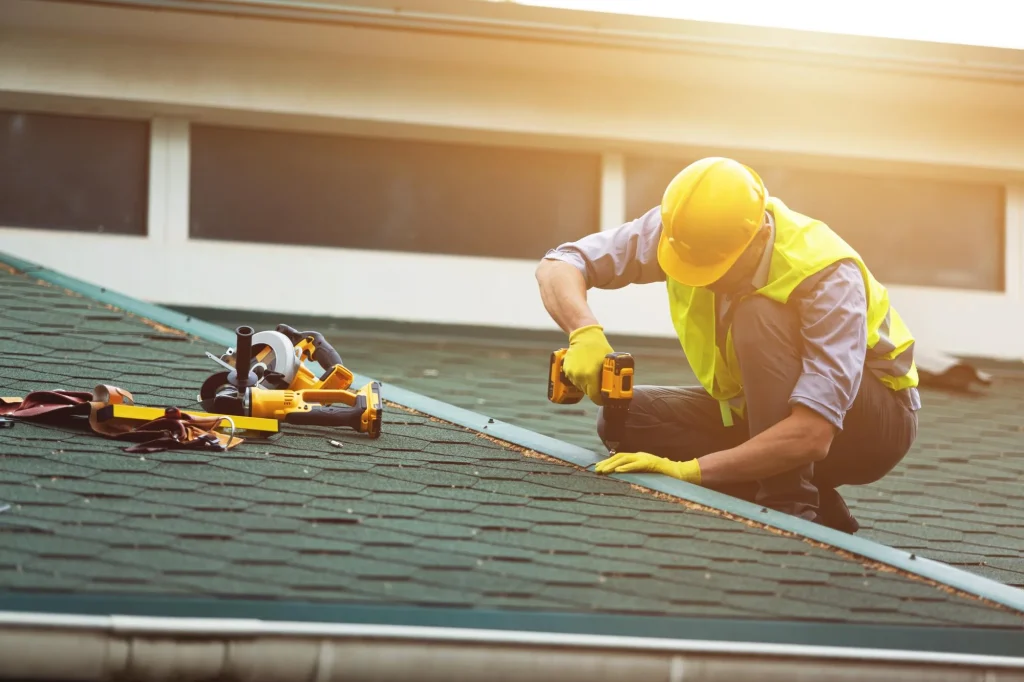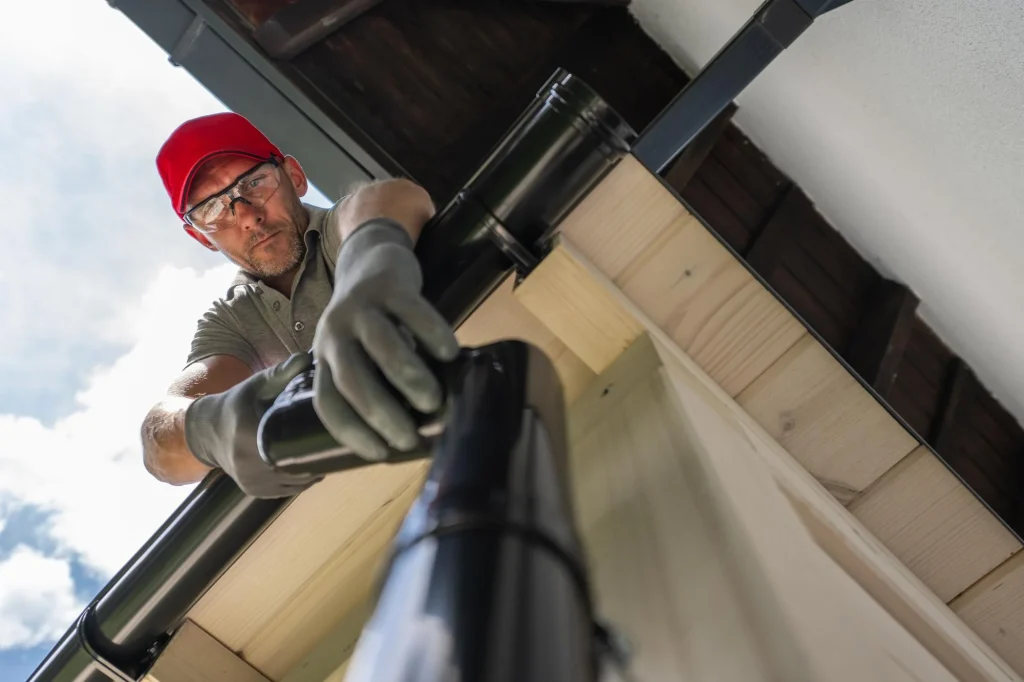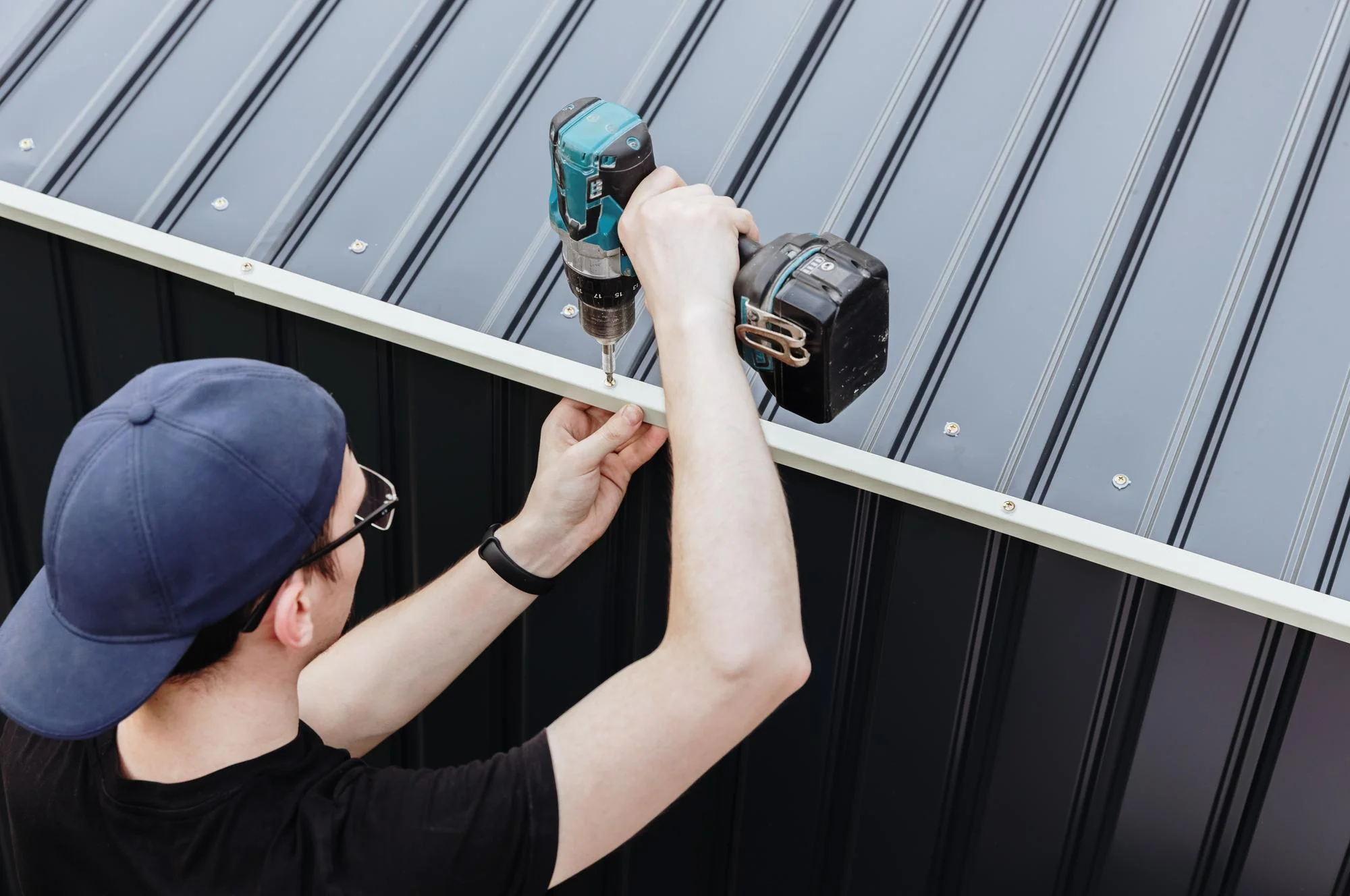
Metal roof leaks require specialized repair approaches because metal is a unique material. Unlike asphalt shingles that absorb water, metal sheds it completely. This means leaks almost always occur at a point of failure—a seam, a fastener, or a flashing detail. Addressing these failures requires specific knowledge and materials.
What homeowners should know before taking action is that a quick fix with the wrong sealant can cause more harm than good. Understanding the potential causes of a leak and the correct repair methods is essential to making a durable, long-term repair that protects your investment.
Repairing Metal Roof Leaks
An overview of repair vs replacement decisions is the first step. If the roof is relatively young and the damage is localized, a repair is the most cost-effective path. If the roof is nearing the end of its lifespan, has widespread corrosion, or multiple ongoing leaks, replacement might be the smarter long-term financial decision.
Why Metal Roofs Leak
Design-related vulnerabilities are inherent in how metal roofs are constructed. They are systems of panels joined together, and every joint, seam, and penetration is a potential point for water intrusion if not perfectly installed and maintained.
Aging, installation, and maintenance factors play a massive role. Over time, sealants break down, and protective coatings wear thin. Poor installation can create immediate vulnerabilities, while a lack of maintenance allows small issues, like clogged gutters or loose screws, to evolve into major leaks.
What Causes a Metal Roof to Leak?
Detailed leak causes are often traced back to a few key culprits. Fasteners are a primary cause, as the washers degrade and create a path for water. Seams can fail due to thermal movement, and penetrations for pipes, vents, or skylights are notorious for leaks if the flashing is not perfectly integrated with the roofing panels.
Common Causes of Metal Roof Leaks
- Faulty seams and overlaps: If panels are not correctly interlocked or sealed, wind-driven rain can be forced into the gaps.
- Loose or deteriorated fasteners: The constant expansion and contraction of the metal can cause screws to back out over time. The rubber washers also dry rot and crack.
- Corrosion and rust: Scratches in the protective coating or areas where water pools can lead to rust, which will eventually eat a hole through the panel.
- Flashing failures: The metal pieces that waterproof transitions—like where the roof meets a wall or chimney—are complex to install. Failures here are a common source of significant leaks.
- Weather-related damage: Hail can dent panels and compromise seams, while strong winds can lift panels and break their seals.
How Weather Can Affect a Metal Roofing System
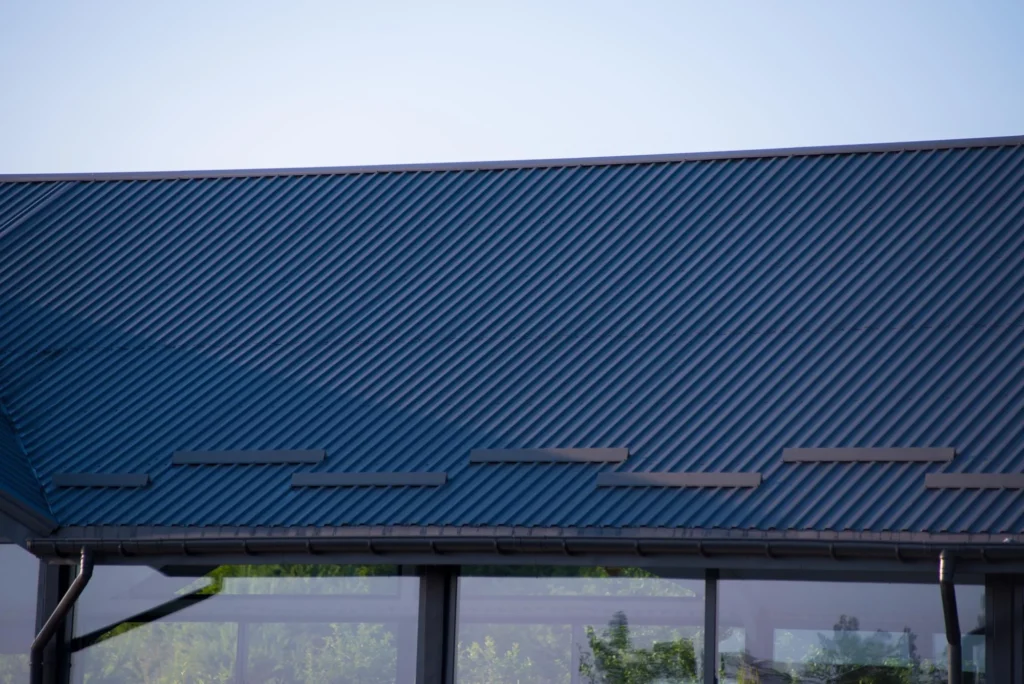
Thermal movement is the primary way weather affects a metal roof. A long panel can change in length by as much as an inch from winter to summer. The roofing system must be designed to accommodate this movement, or it will tear itself apart.
Wind uplift and moisture intrusion go hand-in-hand. High winds create pressure differences that can lift panels. This action can break sealed seams and pull fasteners loose, creating openings for rain to get in during the storm.
Types of Metal Roofing Systems
- Architectural metal roof systems are designed primarily for their aesthetic appeal and rely on the underlying roof deck for structural support. They are typically used on steep-slope applications and are not intended to hold standing water.
- Structural metal roofing systems are designed to be an integral part of the building structure. They can span over open purlins without a solid deck beneath them and are engineered to carry significant loads, making them suitable for low-slope commercial and residential roofs.
Metal Roofing Design Types
- Hydrostatic roofing design, also known as a standing seam roof, is designed to be a complete water barrier. The seams are raised above the water line and mechanically locked, making them impenetrable to standing water or ice. These are suitable for very low-slope roofs.
- Hydrokinetic roofing design, often seen in exposed fastener systems, is designed to shed water rapidly. It relies on gravity and the speed of water flow to keep the roof dry. These systems are only suitable for steeper slopes where water will not have a chance to pool.
The Issues You Deal With When You Own a Metal Roofing System
Movement-related wear is the number one issue. This thermal expansion and contraction is relentless. It enlarges screw holes, stresses panels, and fatigues flashing details over the lifespan of the roof.
Maintenance challenges can also arise. While low-maintenance, they are not zero-maintenance. Keeping debris out of valleys and gutters is critical to prevent water damming, which can force water into the system.
Other Common Metal Roofing Issues
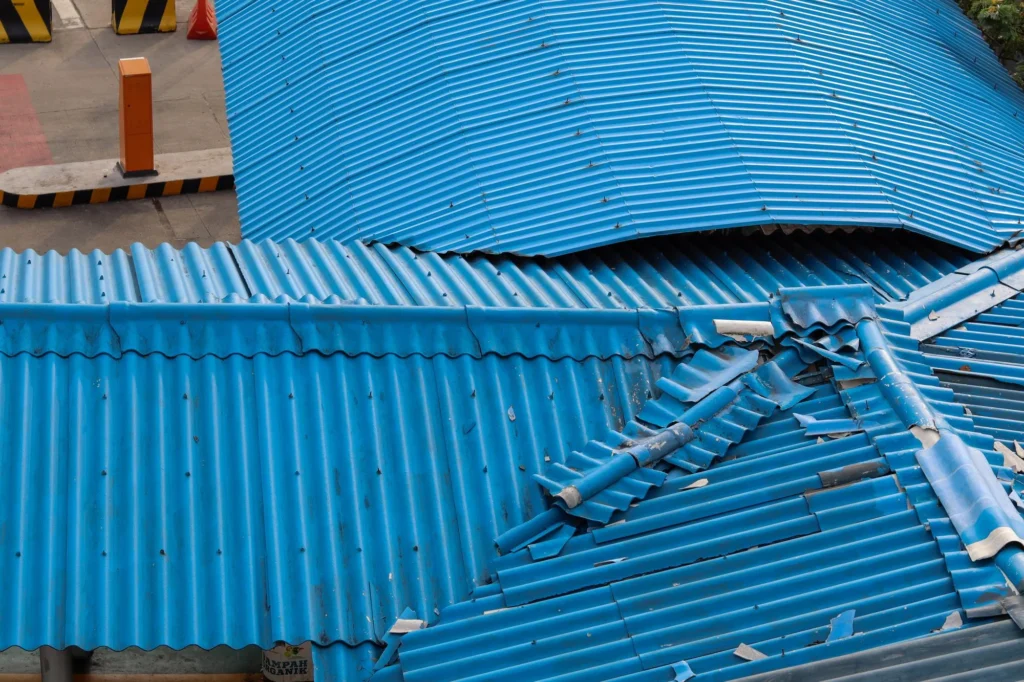
- Panel damage: Beyond leaks, panels can be dented by hail or scratched by tree limbs, which can compromise the protective finish even if it doesn’t cause an immediate leak.
- Sealant failure: All sealants have a limited lifespan. The caulk used around flashings and penetrations will eventually dry out, crack, and need to be replaced.
- Coating breakdown: The painted finish on a metal roof provides both color and protection. Over decades, this coating can fade, chalk, or peel, exposing the underlying metal to the elements.
How to Identify a Metal Roof Leak
1. Interior signs of water intrusion are the most urgent alerts. These include water stains on ceilings, damp spots in your attic, peeling paint near the ceiling line, or the musty smell of mildew.
2. Exterior indicators on panels and seams require a safe inspection of the roof surface. Look for screws that have backed out, signs of rust, gaps in sealant around vents or flashing, or panels that appear lifted or misaligned.
Where to Begin With Metal Roof Repair
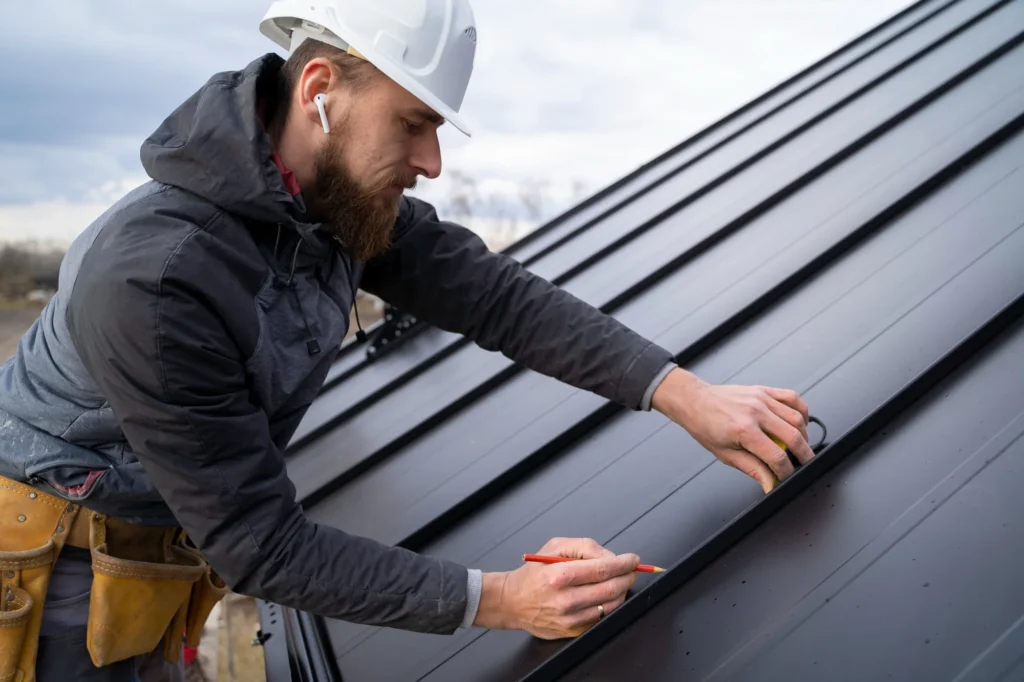
1. Initial inspection and assessment is the starting point. Safely examine the roof to get a sense of the overall condition. Take photos of any problem areas you can see from the ground or a ladder.
2. Prioritizing problem areas is next. Focus on the most likely sources of leaks: roof penetrations like plumbing vents and chimneys, skylights, valleys, and areas with visible damage or rust.
How to Fix a Leaking Metal Roof
When considering temporary vs permanent repair approaches, it’s important to be realistic. Applying a layer of roofing tar or tape might stop a drip during a storm, but it’s not a long-term solution. A permanent repair addresses the root cause, such as replacing a failed fastener or flashing.
How to Repair a Metal Roof
The core repair methods used by professionals involve cleaning the surface to bare metal, applying high-grade urethane or silicone sealants, using reinforcing fabric for larger cracks, and replacing damaged components with matching materials to ensure compatibility and longevity.
How to Repair a Metal Roof Leak in 6 Important Steps
- Surface preparation: The area must be completely clean, dry, and free of rust or old sealant for the repair to adhere properly.
- Leak source identification: Pinpoint the exact entry point of the water.
- Fastener and seam repair: Tighten loose fasteners or replace them with oversized screws. Address any open seams.
- Sealing and reinforcement: Apply a specialized metal roof sealant. For larger gaps, embed a reinforcing fabric into the sealant for added strength.
- Final inspection: Once the repair has cured, check your work to ensure it’s watertight and properly sealed.
Repair Options at a Glance
The overview of available solutions is broad. Options range from simple spot-sealing and fastener replacement to applying a full restoration coating over the entire roof, or in severe cases, a complete tear-off and replacement.
Metal Roof Repair and Replacement Options
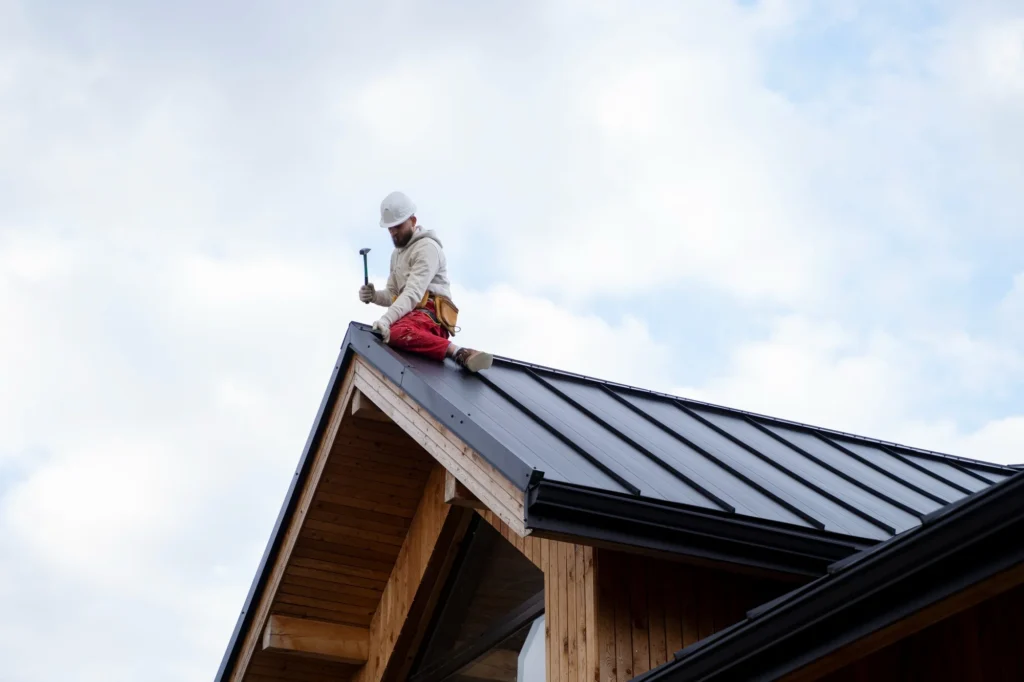
Repair, restoration, and replacement pathways offer different levels of intervention. Repair targets specific, localized issues. Restoration involves coating the entire roof to extend its life. Replacement is a full overhaul when the existing system is beyond saving.
Option 1: Replace All Screws and Fasteners
When fastener replacement solves leaks is a common scenario for exposed fastener roofs around the 15- to 20-year mark. If the panels are sound but the washers have failed, replacing every screw on the roof can provide another 10-15 years of service life.
Option 2: Remove and Replace the Entire Metal Roof
Situations requiring a full overhaul include widespread, severe rust, extensive storm damage affecting more than 30% of the roof, or systemic installation failures that cannot be fixed without starting over.
Remove and Replace: The Complete Overhaul
The benefits and limitations of total replacement are clear. The benefit is a brand new, worry-free roof with a full warranty. The primary limitation is the high upfront cost, which is significantly more than any repair or restoration option.
Option 3: Install a Roof Coating System Over the Existing Metal Roof
Roof coatings as a budget-friendly solution for minor issues can be very effective. A fluid-applied membrane can seal small leaks, stop rust, and restore the roof’s appearance for about half the cost of a full replacement, all while adding a new warranty.
Option 4: Install Spray Foam Over the Existing Metal Roof
Added insulation and waterproofing benefits are the key advantages of spray polyurethane foam (SPF). It creates a seamless, self-flashing layer that stops all leaks and adds significant R-value, which can lower energy bills.
Metal Panel Retrofit
A retrofit involves maintaining the metal aesthetic while improving performance. This can mean installing a new standing seam system directly over an old, leaky exposed fastener roof. It provides a permanent solution without the cost and mess of a full tear-off.
Metal Roof Repair Versus Metal Roofing Restoration
Key differences and cost considerations separate these two approaches. A repair is reactive, fixing a single problem. Restoration is proactive, addressing the entire roof surface to prevent future problems and extend its functional life. Restoration costs more than a single repair but less than a replacement.
Making the Right Choice for Your Metal Roof
Evaluating cost, lifespan, and performance goals is how you make the right choice. Consider how long you plan to be in the home. A quick repair may be fine if you’re selling soon, but investing in restoration or replacement makes more sense for a long-term residence.
What to Consider When You Own or Buy a Property With a Metal Roof
- Check the inspection history if available. Was the roof regularly maintained? Are there records of past repairs?
- Try to determine the remaining roof lifespan. Knowing the age and condition of the roof helps you budget for future maintenance or eventual replacement.
Tips to Prevent Metal Roof Leaks
1. Routine inspections are the best way to prevent leaks. A visual check twice a year and after major storms can help you spot potential issues before they become active leaks.
2. Preventive maintenance practices include cleaning debris from gutters and valleys, trimming overhanging branches, and ensuring sealants around penetrations are still flexible and intact.
When to Call a Professional
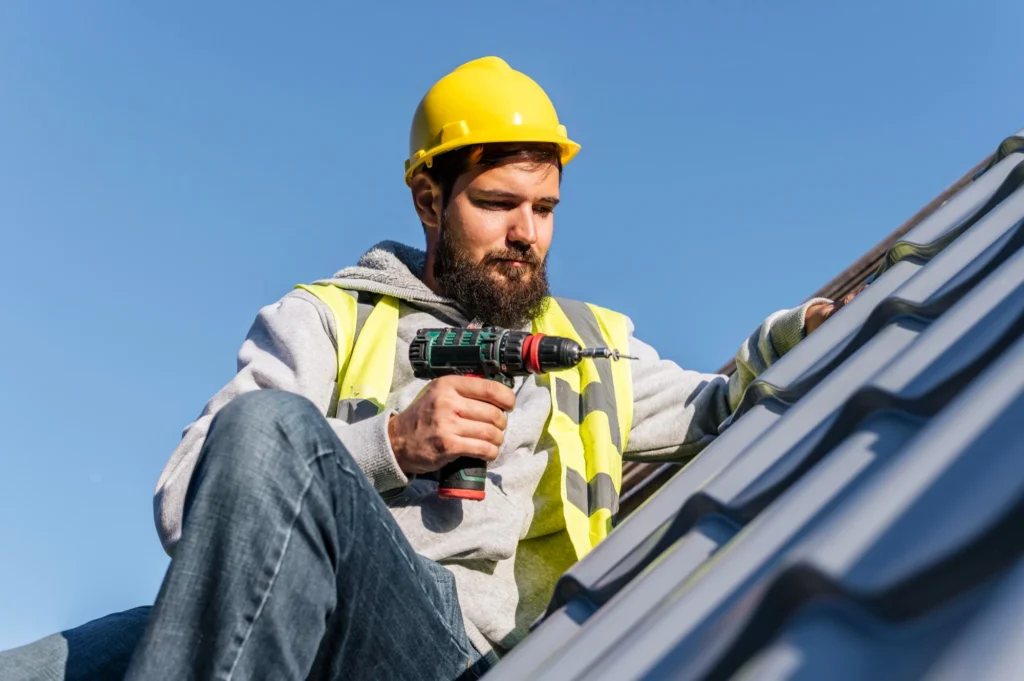
- Safety risks are the number one reason to call a pro. Metal roofs are slippery and often steep. Without proper safety equipment, an inspection can be dangerous.
- Recurring or widespread leaks are another clear signal. If a leak keeps coming back or you have multiple leaks, it points to a systemic problem that requires an expert diagnosis.
Wrapping Up Your Metal Roof Repair Process
Final checks and long-term planning are the last steps. After a repair, monitor the area through a few rainstorms. Then, create a simple maintenance plan to keep the rest of your roof in good shape for years to come.
Ready to Revive Your Home’s Metal Roof?
The next steps homeowners should consider involve getting professional advice. If you have a leak you can’t solve, contact a qualified metal roofing contractor for an inspection and an accurate estimate for the right repair.